CENTEGIX® | Government
Where Does Response Slow Down Inside Your Facility?
Why This Matters
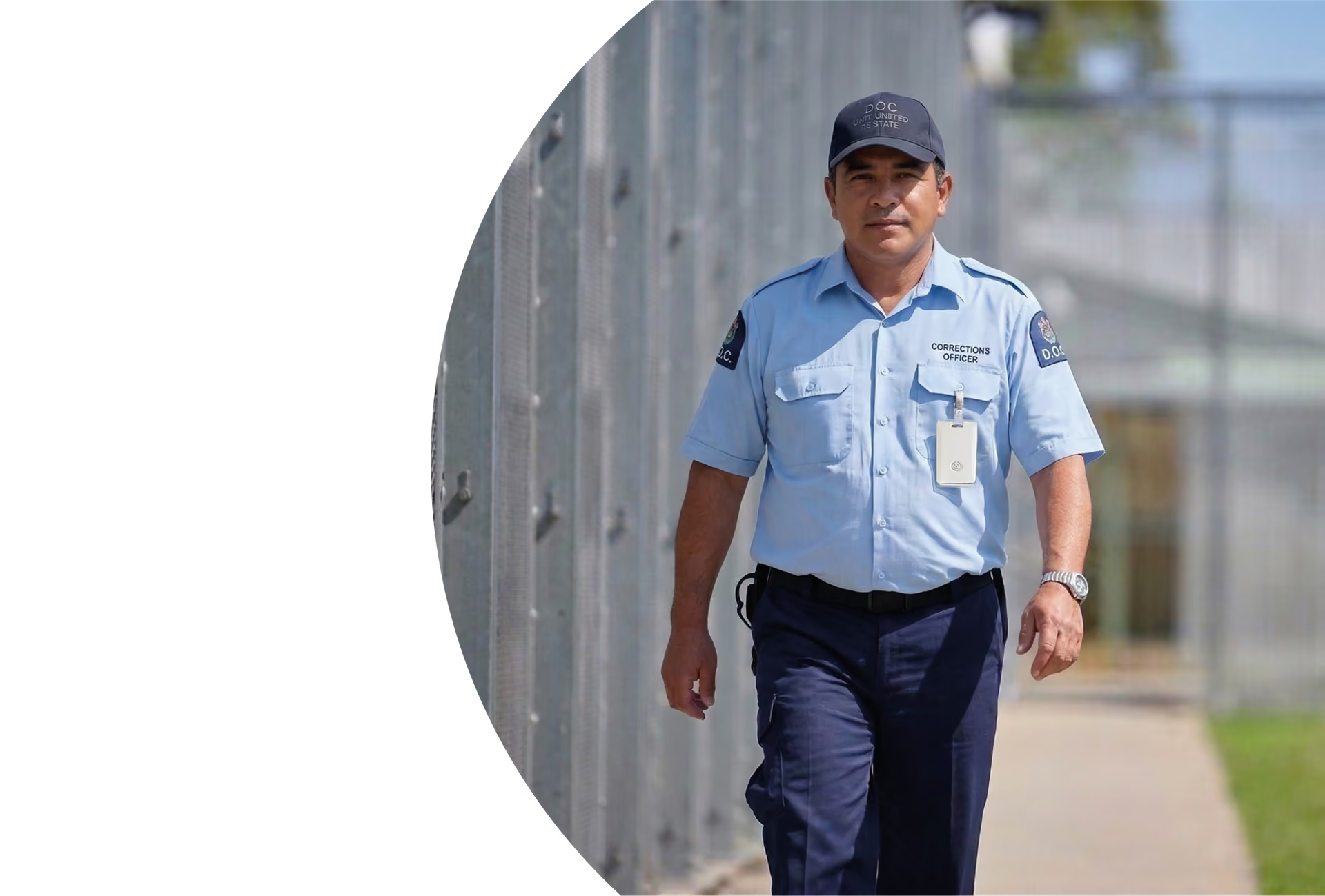
Response starts the moment your team knows who needs help and where they are. Everything before that is search time.
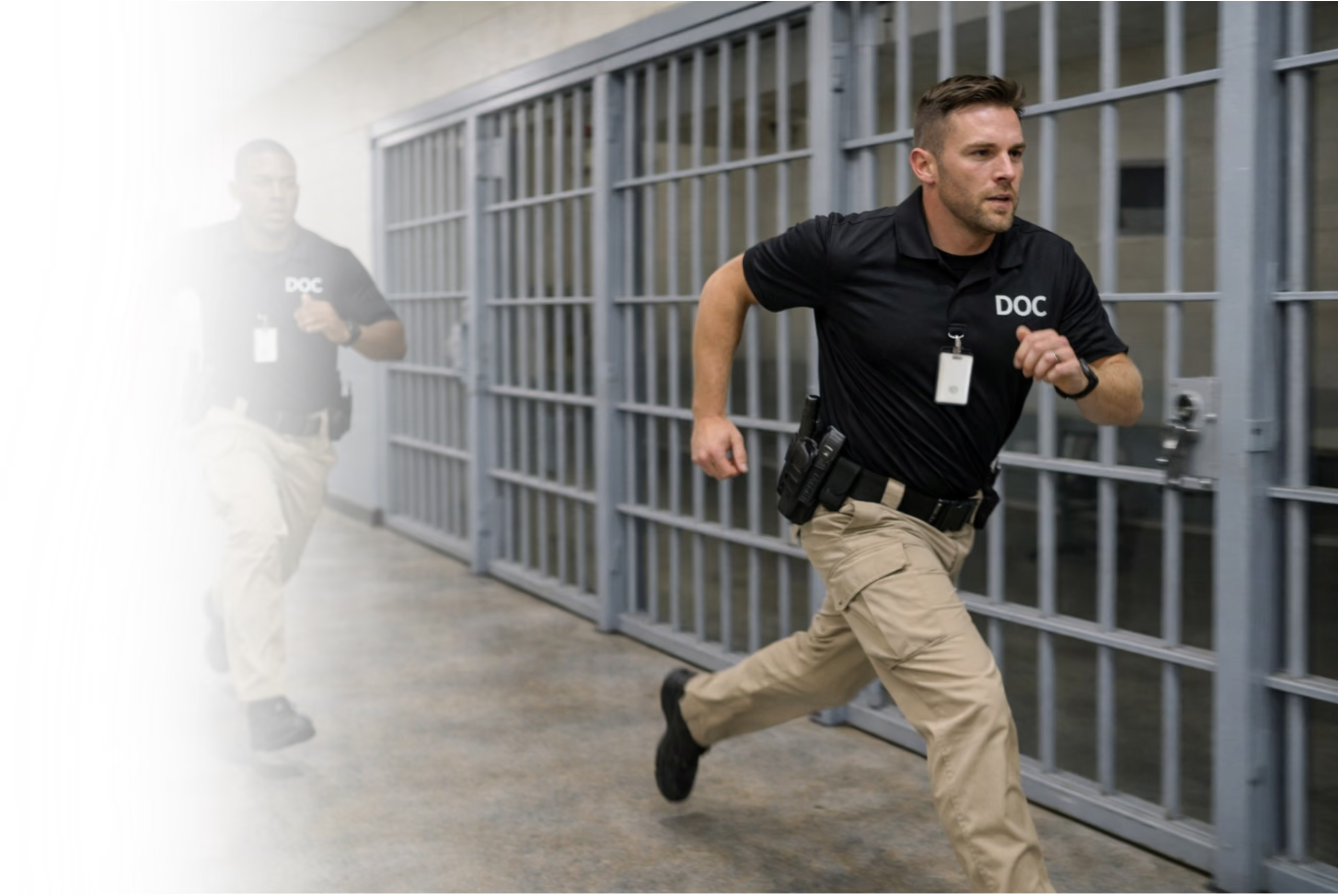
Radio limitations, physical barriers, and unclear location detail slow response at the moments that matter most. This checklist walks through where those delays start across housing units, corridors, intake, medical, and shared spaces.
What You Will Find Inside
- Alerting gaps: How quickly staff can initiate a call for help, and what stands in the way
- Location visibility: Whether responders get unit, tier, floor, or room level detail
- Coverage and reliability: How your system performs where Wi-Fi and cellular are inconsistent
- Coordination and readiness: Whether officers, supervisors, and medical teams share one view of the incident

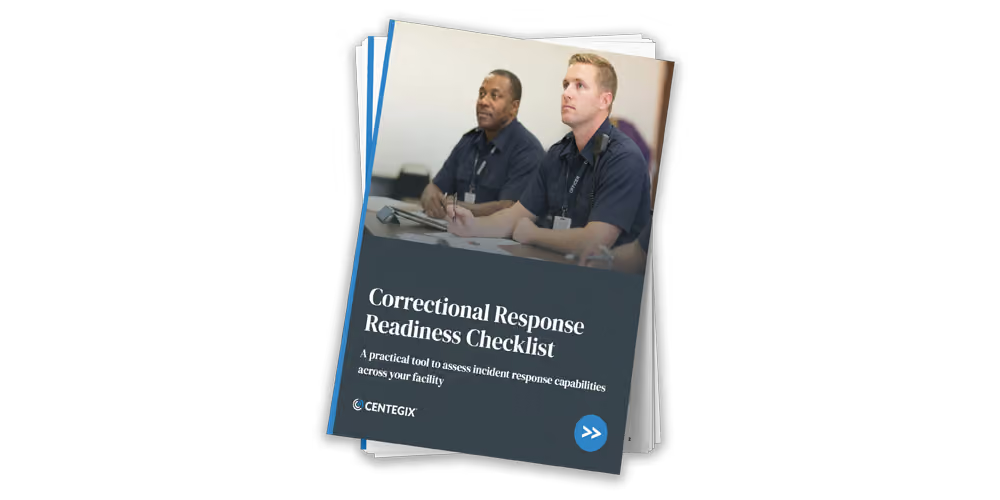
Get the Checklist
Complete the form to download the Correctional Response Readiness Checklist.