Healthcare
Protect Workers. Strengthen Workplace Safety.
CENTEGIX helps healthcare organizations create safer environments through rapid incident response technology that empowers staff to get help immediately and enables teams to respond faster during emergencies.

Healthcare Workers are Concerned About Their Safety
Despite ongoing efforts to prevent workplace violence, workers continue to have ongoing personal safety concerns, often driven through first-hand experience.
26%
of healthcare workers report worrying about their safety weekly
68%
have experienced workplace violence at least once in the past year
48%
say safety concerns impact their ability to deliver compassionate care
Why It Matters
What Workplace Violence Prevention Looks Like Today
Modern workplace violence prevention requires more than policies alone. Leading healthcare organizations combine:
- Prevention: Training, awareness, reporting, and risk identification.
- Preparedness: Clear response protocols and coordinated communication.
- Response: Technology that enables staff to quickly summon assistance during escalating situations.
- Continuous Improvement: Data, reporting, and insights that strengthen safety programs over time.
CENTEGIX supports healthcare organizations throughout each stage of this approach.

The Financial Impact of Violence in Healthcare
The American Hospital Association estimates nearly 80% of violence-related spend is tied to reactive costs—including staffing disruption, injury care, legal expenses, and operational recovery—rather than proactive prevention efforts.
Investing in safety can reverse these trends, improving employee well-being, retention, productivity, and patient care.
$18.27B
Estimated annual violence-related costs to hospitals in 2023¹
$5.8M
Lack of retention can cost an average hospital up to $5.8M per year⁴
14%
Increase in inpatient mortality associated with a 10% rise in nurse intent-to-leave³
$289K
Amount every one-point change in RN turnover can save a hospital
Accelerating Emergency Response When Help Is Needed Most
How CENTEGIX Protects Healthcare Staff
With CENTEGIX Safety Platform®, staff can discreetly signal for help from anywhere on campus (indoors and outdoors) with a single button on a wearable duress badge.
When an alert is activated, security teams and responders receive precise location information showing who needs help on a detailed map. This streamlines and accelerates incident response to promote de-escalation and optimize outcomes.

Speed

Clarity

Coverage

Intel
Did you know?
68% of healthcare workers prefer a duress button that only shares their location when they trigger an alert for help, versus continuously tracking them throughout their day.
Unlike RTLS devices that continuously track staff throughout their shift, CENTEGIX locating abilities are only activated when a user triggers an alert from their badge, preserving privacy and increasing adoption.
A Layered Approach to Safety
Explore the Healthcare Safety Solutions of the CENTEGIX Safety Platform
Instill confidence. Extend trust. Offer peace of mind.

CENTEGIX CrisisAlert™ for Healthcare

CENTEGIX Safety Blueprint for Healthcare

CENTEGIX Visitor Management for Healthcare

Why Healthcare Organizations Choose CENTEGIX
Healthcare leaders choose CENTEGIX because they need more than a safety device. They need a partner that helps them:
• Improve staff confidence
• Support workforce retention
• Strengthen emergency response
• Elevate workplace violence prevention efforts
• Promote a culture of safety
Together, we can create safer workplaces where employees feel supported and protected.






Your questions, answered
FAQs
How does workplace violence affect healthcare organizations?
Studies show that by strengthening workplace violence prevention, organizations can decrease incidents of violence, improve employee well-being and engagement, strengthen retention, and elevate patient care.
Why is workplace violence a growing concern in healthcare?
How can healthcare organizations improve workplace violence prevention?
Who should be involved in workplace violence prevention efforts?
• Effective workplace violence prevention teams often include:
• Security and emergency management
• Nursing leadership
• Physicians and frontline caregivers
• Human resources
• Risk management
• Behavioral health specialists
• Legal and compliance teams
• Communications leaders
Frontline employees play a particularly important role because they often identify operational vulnerabilities and emerging risks before leadership becomes aware of them. Organizations that foster shared accountability for safety are often better positioned to identify concerns early and implement meaningful improvements.
How can healthcare workers quickly get help during an emergency?
Why is response time important during workplace violence incidents?
What role does technology play in workplace violence prevention?
What technologies help improve healthcare worker safety?
Examples include:
• Wearable duress buttons and panic alert systems
• Incident reporting and analytics tools
• Digital incident and asset mapping
• Visitor management systems
• Emergency notification platforms
• Behavioral threat assessment tools
• Real-time communication solutions
A recent survey found that wearable duress buttons are the #1 technology healthcare workers say makes them feel safer. Many healthcare organizations use a combination of wearable duress buttons, digital incident and asset mapping, visitor management tools, and incident reporting solutions as part of a comprehensive workplace violence prevention strategy.
What should healthcare leaders look for in a wearable duress button solution?
• Ease of use during high-stress situations
• Response speed
• Campus-wide coverage
• Reliability
• Scalability
• Integration capabilities
• Employee adoption
• Privacy considerations
Solutions that are intuitive and trusted by staff are often more likely to be used consistently when assistance is needed.
How can healthcare leaders justify workplace safety investments?
Proven where it matters most
Real people. Real outcomes.
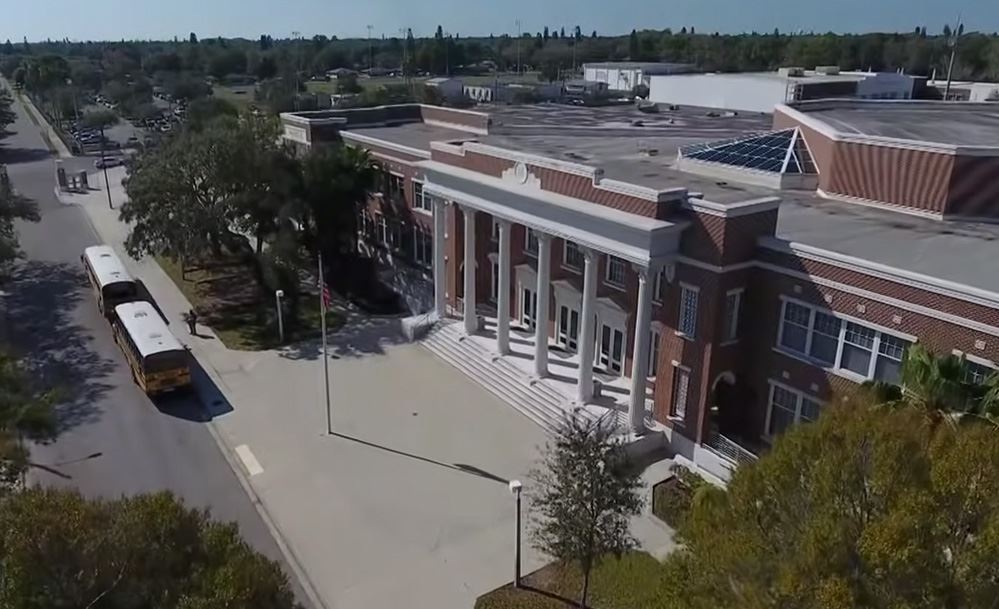
Education
Setting a New Standard for School Safety Through Connected Technology
See how the School District of Manatee County is connecting educators, school leaders, and first responders to accelerate response, from everyday incidents to serious emergencies.
Read more

Education
Building Staff Trust and Confidence: Troy Roth’s School Safety Experience
Troy Roth, a former Ohio public educator with 33 years of experience, now serves as a director of customer partnerships for CENTEGIX. The decision to seek out CENTEGIX was driven by the realization that teachers were struggling to get help quickly when needed.
Read more

Hospitality
Hospitality Assault Attempt
See how a hotel staff member discreetly called for help during a dangerous encounter, using CrisisAlert™ to quickly notify management and pinpoint her location so security could respond.
Read more
See it for yourself
Empower Your Employees with Safety
See how one connected platform empowers your staff to act in seconds — from everyday emergencies to the extreme. Tell us about your organization, and we'll build the demo around your world.