
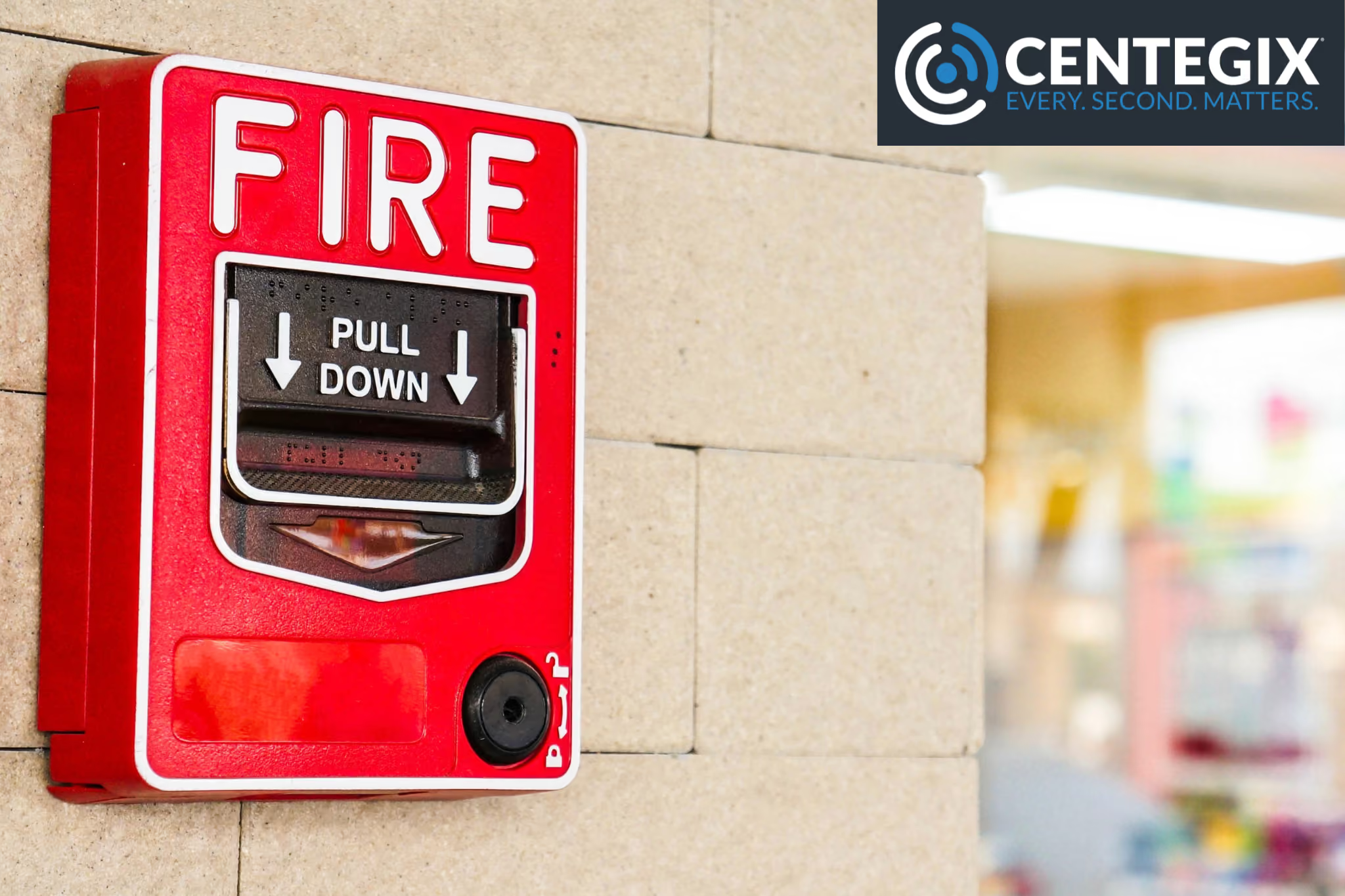
Everyone in school knows what to do when a fire alarm sounds. The alarm and flashing strobes signal a clear, simple protocol. American schools are safer because fire drills and alarm systems are designed to provide a clear warning and drive immediate, coordinated action. The effectiveness of fire alarms and drills has made fire-related fatalities in American schools exceptionally uncommon.
Just as fire alarms provide an immediate and reliable response to fires, incident response systems play a critical role in managing other school emergencies. When schools have well-designed safety plans—supported by the right technology and practiced regularly—they’re equipped to respond quickly, consistently, and effectively to a crisis.

Practice is Key
National leaders, school administrators, teachers, and families believe that children should attend safe schools. Requirements for school fire drills vary by state but generally, schools must conduct fire drills at least once a month. Therefore, students regularly receive instruction and practice responding to fire alarms. This training empowers students to mobilize their physiological response toward following the school safety plan.
Some common elements of school fire evacuation plans include:
- Identification and assignment of personnel responsible for rescue or emergency medical aid.
- The preferred and alternative means of notifying occupants of a fire or emergency.
- The preferred and alternative means of reporting fires and other emergencies to the fire department or designated emergency response organization.
- Identification and assignment of personnel to contact for further information or explanation of duties under the plan.
- A description of the emergency voice or alarm communication system, alert tone, and pre-programmed voice messages, where provided.
These elements emphasize clear communication and distribution of duties during an emergency. Staff members practice their roles and responsibilities during drills, while students become accustomed to communication during a fire or other emergency. As a result, the fire alarm becomes the inciting event in a predictable set of steps that staff and students follow. In safe schools, every student and staff member is empowered to follow safety protocols calmly and protect themselves.

Fire Alarms and Drills are Highly Effective
Very few fire-related deaths have occurred in American schools in the past century. According to fire safety experts:
- Fire departments attend to an estimated 3,230 school-related structural fires annually.
- Arson is the predominant cause of these fires, accounting for almost 40% of the cases.
- Bathrooms and locker rooms are frequently identified as the initial locations for these fires.
- The majority of school fires take place during school hours.
Although the threat of school fires is a serious concern, the evidence suggests that schools in the US are generally fire-safe. Experts attribute this to standards that require consistent fire drills, installation of smoke detectors, and prompt responses from emergency services.
Safe Schools: Fire Safety Best Practices
When a school safety plan includes specific tools in addition to drills and training, it creates a culture of safety and prevention. Critical requirements:
- Manual fire alarm boxes and fire extinguishers
- Fire sprinklers and carbon monoxide detectors, under certain conditions
- Fire alarm or sprinkler activation transmission to a remote supervising station
- An emergency voice or alarm communication system for any occupant load over 100
In addition, visual alerts provide a powerful extra layer of communication. When schools meet these requirements and train everyone on locations of safety assets, understanding of evacuation routes, and knowledge of safety protocols, fire evacuation can be orderly and efficient. A multilayered approach that includes a school safety plan, regular drills, fire alarms, and other physical assets creates a culture of safety and security that facilitates learning and promotes peace of mind.
CENTEGIX Safety Platform®: Using Fire Safety Principles to Create a Culture of Safety
CENTEGIX school safety solutions are purpose-built to foster safe schools. Combining audible and visual notifications that align with the time-tested model of fire safety protocols. CENTEGIX technology facilitates clear communication and response collaboration in emergencies—empowering schools to enact protocols that keep staff and students safe.
The CENTEGIX Safety Platform features:
- Audio notifications. Schools can customize these notifications by type of emergency and choose the message that is communicated.
- Visual notifications. Customizable, color-coded strobes enable schools to specify visual cues for different types of emergencies, adding a communication layer beyond required audio notifications. Desktop and screen takeovers add another layer of customizable visual cues that inform staff of safety procedures.
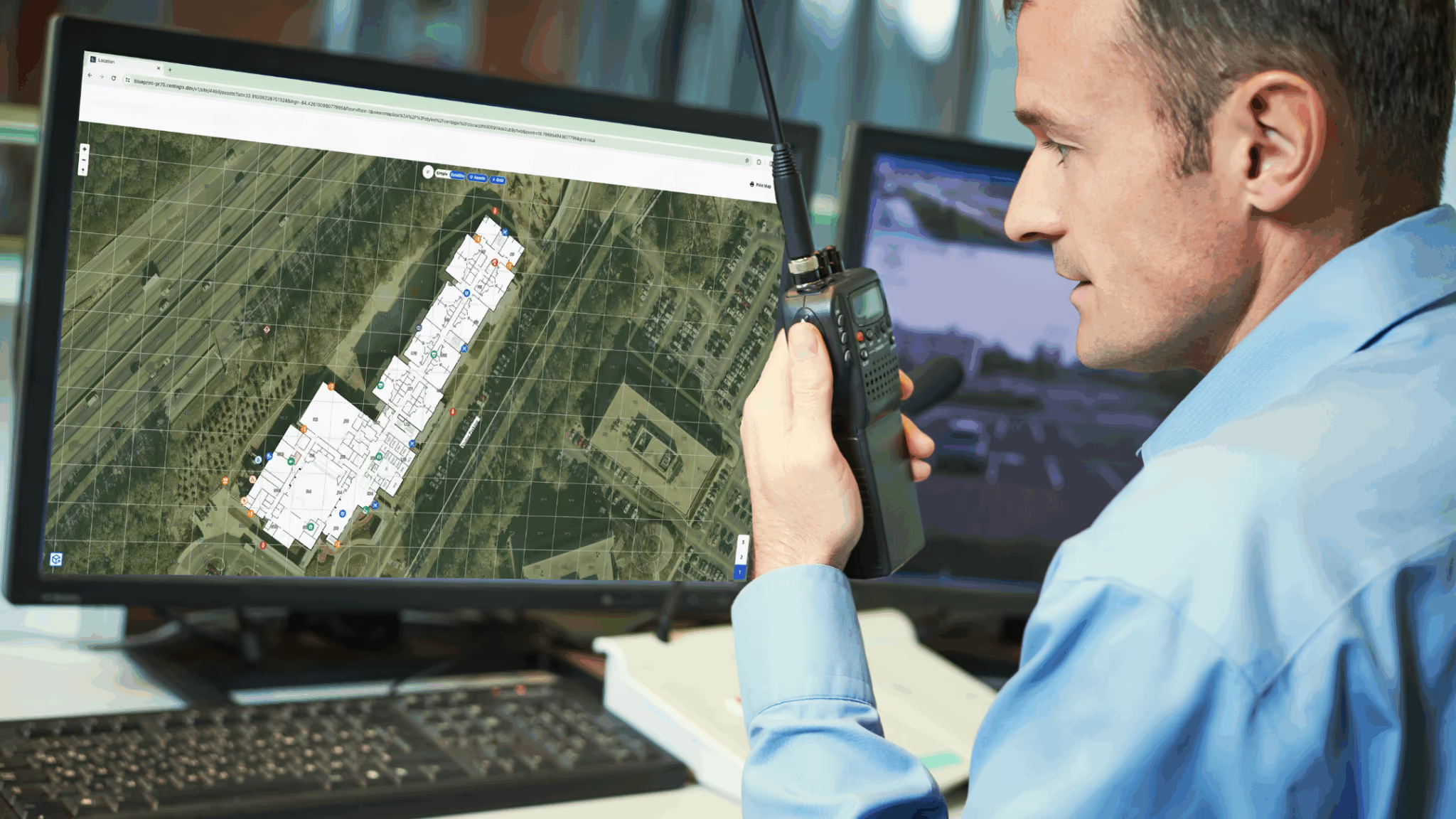
- Digital critical incident mapping. Safety Blueprint® is a dynamic digital map that features evacuation routes, safety assets, and other emergency equipment. During emergencies, Safety Blueprint provides real-time location mapping down to the room level, allowing responders to get on-scene as soon as possible.
- A customizable dashboard. This centralized hub empowers administrators to create designated response teams, disseminate real-time information, and record critical data that informs future safety plans.
- CrisisAlert™ wearable panic buttons. By initiating a campus-wide alert with their CrisisAlert badge, staff members activate their school’s safety protocols. Alerts are instantly transmitted to designated school leaders and emergency responders, so help arrives quickly.
CENTEGIX: Enacting Best Practices in School Safety
The CENTEGIX Safety Platform is the foundation of a multilayered safety plan. Utilizing the wisdom of time-tested fire safety protocols, CENTEGIX provides solutions that deliver efficient and predictable responses to emergency alerts. Because schools require safety plans for various emergencies, colored strobes with customizable color schemes eliminate confusion and facilitate orderly evacuations. Customizable audio notifications also provide clear, directed communication. Schools can customize audio alerts for lockdowns, evacuations, or other events. When staff and students receive training about what protocols to follow in response to specific strobe colors or audio cues, they are better equipped to adhere to safety plans.
CENTEGIX Safety Platform’s multiple functionalities enact best practices in emergency response. Learn more about how the Safety Platform can play a role in your school safety plan by requesting a demo today.