

A healthcare study found that two nurses are assaulted every hour in the United States—a number that, while alarming, likely underrepresents reality. Data consistently shows that incidents of workplace violence in healthcare go unreported, with one article citing underreporting rates as high 90%. In addition, “nearly missed” incidents are rarely documented. This makes it difficult for safety and security leaders to identify trends, analyze risks, and make informed, data-driven decisions about workplace violence prevention.
Violent incidents are often preceded by warning signs. Whether it’s a trend within a unit, a gap in surveillance, or a series of unreported near-misses, each of these events provides valuable insight into potential risks a healthcare organization may be facing. Unfortunately, many overlook this “space between”, where violence may have been prevented but risk-related data wasn’t captured.
But what if those near misses could be documented and analyzed before an incident ever occurs? With today’s wearable duress button technology, they can be, and in ways that don’t place additional burdens on staff or create unnecessary alarm for patients and families.
This article explores how capturing near misses can transform workplace violence prevention, strengthen workforce well-being, and improve safety-related decision-making in healthcare.
The Misconception Around Near Misses
Consider this scenario: A nurse walks to their car after a shift and notices someone lingering in the parking lot. The individual begins to approach, but the nurse is able to safely reach their vehicle and drive away. The situation feels unsettling but goes unreported—because “nothing happened.”
This is the most common misconception about near misses: the belief that “no harm means no report.” In reality, these moments often foreshadow violent incidents. When they go undocumented and unaddressed, organizations lose the opportunity to recognize patterns, reinforce safeguards, and prevent similar situations in the future.
This lack of reporting perpetuates a dangerous cycle in which:
- Leaders lack visibility into emerging risks.
- Staff continue to view aggression as “part of the job.”
- Threats evolve into serious, preventable incidents.
Breaking that cycle takes more than training. It requires a comprehensive strategy that enables and supports staff in accessing immediate, reliable support the moment they sense danger. Such systems empower healthcare safety and security leaders to become proactive, identify trends, and intervene before violence occurs.
The Hidden Warning Signs of Workplace Violence in Healthcare
De-escalation programs train staff to identify early indicators of aggression. These cues are often physical, verbal, or behavioral in nature:
- Verbal cues: Raised voice, rapid speech, sarcasm, or unreasonable demands.
- Physical cues: Clenched fists or jaw, flushed face, rapid breathing, or rigid posture.
- Behavioral cues: Sudden changes in demeanor, intense eye contact, disorganized movements, or invasion of personal space.
Just as clinical teams use these signs to anticipate patient behavior, safety and security leaders can analyze near misses to understand organizational risks and vulnerabilities. For example, a rise in duress alerts during shift changes, an uptick in calls for security in pediatric units, or a pattern of parking lot alerts on weekends can all signal potential risks.
By identifying these trends early, organizations can become more predictive and move from a reactive to a proactive approach. Visualizing near misses is a key part of this, as it helps leaders recognize patterns before they escalate into violence, making workplace violence in healthcare more preventable and safety measures more precise.
But gaining this data has proved to be difficult and time-consuming. Victims of violence don’t always have the time or support to file a report when an incident occurs; they are even less likely to do so if the incident was mitigated or disrupted.
How Technology Strengthens Workplace Violence Prevention
Advancements in safety technology are making incident reporting simpler, faster, and more accurate. Automated systems help capture timely data without increasing administrative burden for staff.
For instance, CENTEGIX CrisisAlert™ wearable duress buttons automate incident reporting and accelerate response times during emergencies. When a healthcare worker encounters a threatening or escalating situation, they can discreetly press the button on their badge to request help. The platform simultaneously notifies responders while automatically logging critical details such as time, date, location, and employee ID.
Before closing an incident, responders must indicate the reason for the alert, creating a consistent, data-rich record of alerts. The process also eliminates manual reporting gaps, generating reliable insights to identify hotspots, assess risk factors, and guide effective prevention strategies.
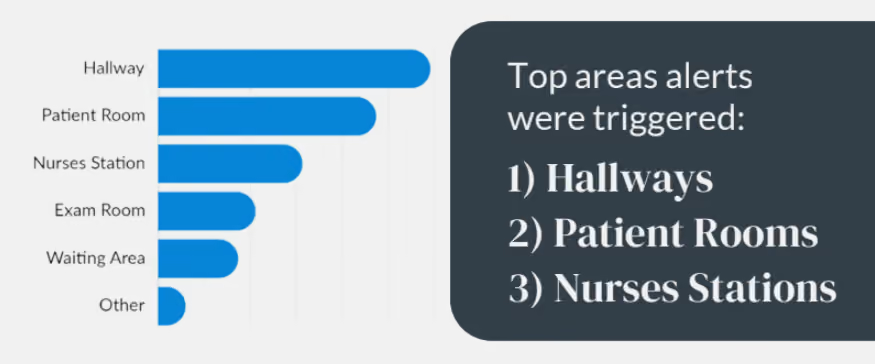
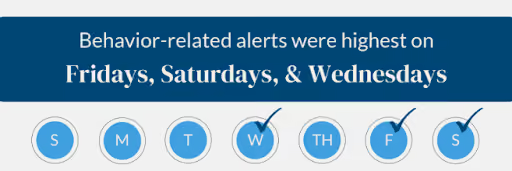
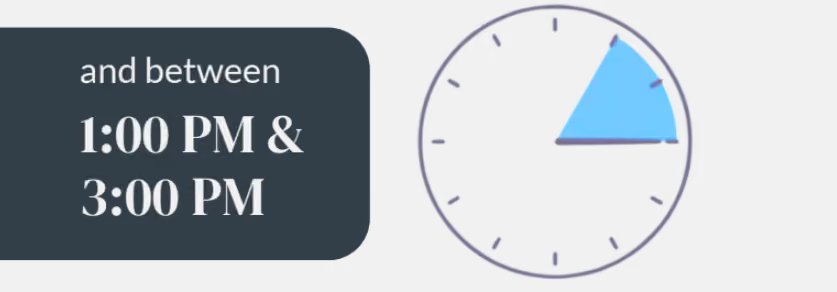
In the CENTEGIX 2025 Healthcare Trends Report, collective data across the industry was shared based on alerts triggered by CrisisAlert duress buttons. The report highlighted the top locations, times, and days when CrisisAlert was used to send an alert. Nationwide, the most vulnerable areas for workplace violence in healthcare facilities included hallways, patient rooms, and nurses' stations. Higher alert trends were observed on Wednesdays, Fridays, and Saturdays, with peaks in the afternoon between one and three o’clock.
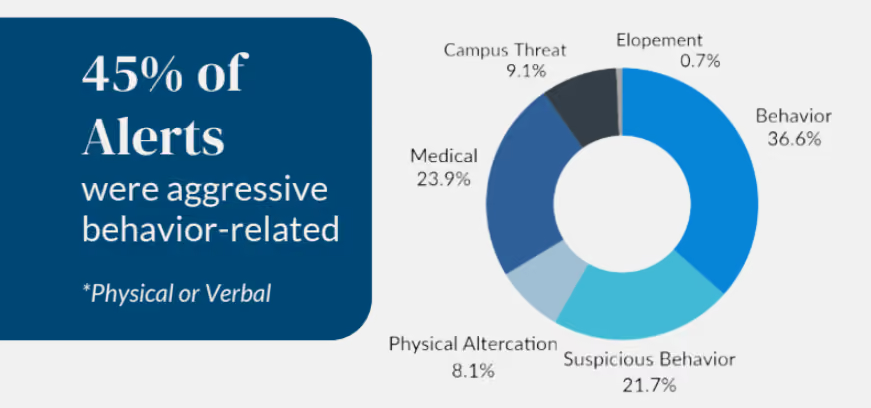
The nationwide report also broke down the types of incident alerts most often triggered and found that forty-five percent of alerts were related to aggressive behavior against an individual, while 9% of alerts were triggered for a campus-wide threat.
While this collective information is valuable for comparing trends against a national benchmark, it’s critical to evaluate data unique to an individual healthcare facility to determine the best methods for mitigation.
CrisisAlert technology accelerates response times when an employee needs help. But, it also empowers organizations to capture more incidents and near-misses, enabling earlier intervention and creating safer environments for both staff and patients.
The Most Important Factor for Success
Even the most advanced safety technology can fall short without one essential ingredient—consistent communication. Early warning and reporting systems are only effective when paired with a strong culture of support. This requires ongoing, unified communication across leadership, management, and frontline teams. Once security measures are implemented, leaders must ensure staff understand them, trust them, and use them confidently.
Mixed messages can quickly erode trust. For instance, if senior leadership promotes a zero-tolerance stance on violence, but a department supervisor discourages reporting, the resulting confusion causes frustration and can reinforce the belief that workplace violence in healthcare is “part of the job.” These miscommunications do more than confuse your workforce. They impact employee engagement and hinder retention.
Organizations that maintain consistent, transparent communication are more successful in encouraging adoption, participation, and long-term engagement. Here are several ways to strengthen reporting culture:
- Share updates frequently: Communicate both new initiatives and progress on existing ones.
- Align leadership messaging: Ensure executives and department leaders deliver the same message on safety priorities.
- Recognize participation: Acknowledge staff who use safety tools appropriately to encourage engagement and reduce fear of adoption.
- Identify advocates: Equip champions across units to model reporting behaviors and lead by example.
Insights Change Outcomes
In healthcare, insights change outcomes—for patients and for staff. Capturing and analyzing near misses provides healthcare organizations with the visibility they need to take action before harm occurs. This perspective puts safety leaders on offense, gives providers peace of mind, and creates a safe and caring space for healing.
Proactive safety strategies are about more than compliance; they’re about investing in the physical and emotional well-being of the healthcare workforce. By implementing wearable duress buttons, healthcare organizations can create an environment where caregivers feel protected, valued, and empowered to focus on care.
CENTEGIX CrisisAlert helps hospitals plan smarter and respond faster to incidents of workplace violence in healthcare.
Click here to learn how wearable duress technology can enhance safety programs and foster a culture of prevention.