Healthcare workers face an escalating crisis. Workplace violence in healthcare has reached unprecedented levels, prompting federal lawmakers to introduce comprehensive legislation aimed at protecting medical staff. The statistics show the reality: healthcare workers experience five times more workplace violence incidents than other industries.
This surge in violence in healthcare has catalyzed both federal and state governments to take decisive action. Multiple bills currently moving through Congress would establish new protections, mandate safety protocols, and provide funding for prevention programs. Healthcare organizations that implement the right safety solutions position themselves to qualify for federal funding while creating safer work environments for their staff. The legislative momentum reflects a growing recognition that protecting healthcare workers requires systemic change, not just individual facility policies.
The financial and operational costs of workplace violence extend far beyond immediate injuries. Healthcare facilities face increased workers’ compensation claims, higher insurance premiums, and substantial recruitment expenses when staff leave due to safety concerns. Organizations that wait for legislative mandates miss opportunities to prevent incidents, protect staff, and position themselves for federal funding programs.
Early adopters of comprehensive safety systems show commitment to staff well-being while establishing frameworks that exceed minimum compliance requirements.

Federal Legislation to Prevent Workplace Violence in Healthcare
Congress has introduced two significant bills addressing the healthcare violence epidemic. The Save Healthcare Workers Act would establish federal criminal penalties for assaulting hospital personnel, and the Workplace Violence Prevention for Health Care and Social Service Workers Act mandates comprehensive safety planning.
The Save Healthcare Workers Act (H.R. 3178/S. 1600) makes assaulting hospital staff a federal crime. Lawmakers introduced this legislation with bipartisan support, establishing penalties of up to 10 years imprisonment for assault, with enhanced penalties reaching 20 years for incidents involving weapons or incidents occurring during emergencies. This bill makes the case that violence against healthcare workers is a national problem that falls under federal authority because healthcare facilities receive federal funding, treat out-of-state patients, etc.
It also provides an affirmative defense for individuals whose actions result from documented disabilities affecting their capacity to understand their conduct. This is especially important because it’s a common objection raised by those opposed to legislation aimed at preventing violence in healthcare. This legislation acknowledges the unique vulnerabilities healthcare workers face while providing critical services, while ensuring safety for those who display aggression because of medical reasons.
The Workplace Violence Prevention for Health Care and Social Service Workers Act (H.R. 2531) takes a preventive approach. This comprehensive bill requires healthcare employers to develop and implement workplace violence prevention plans within six months of enactment.
These plans must include risk assessments, mitigation measures, incident reporting systems, and staff participation. Facilities must also establish anti-retaliation policies protecting employees who report incidents. This legislation aims to ensure employers adopt proven prevention techniques to protect their staff and, by extension, their patients.
The bill applies to hospitals, residential treatment facilities, psychiatric centers, substance abuse treatment centers, and home healthcare services. Medicare-funded facilities not covered by OSHA would face compliance requirements through amendments to the Social Security Act. The legislation provides for an interim standard within one year and a final standard within 42 months.
Both bills reflect growing congressional awareness that workplace violence in healthcare threatens patient care quality and healthcare system stability.

State Legislation Making Progress Across the Nation
Several states are implementing their own workplace violence prevention requirements in parallel with the advancement of federal legislation. These comprehensive state-mandated safety laws require immediate action by healthcare facilities.
Ohio Governor Mike DeWine signed HB 452 into law in April 2025, requiring full implementation by July. The legislation mandates hospitals establish security plans with input from multidisciplinary teams, including direct care employees and former patients. This collaborative approach recognizes that frontline workers possess critical insights about violence risks and prevention strategies.
Texas SB 240, effective September 2024, requires hospitals and certain healthcare facilities to create workplace violence prevention committees and comprehensive violence prevention plans. The law mandates detailed monitoring of threats, incidents, and investigations. Facilities must maintain accessible data demonstrating compliance efforts and incident patterns.
Illinois is considering SB 1435, which would require hospitals to provide wearable duress buttons physically attached to employee ID badges. This legislation recognizes the importance of immediate, accessible alert systems for healthcare workers facing threats. The proposed requirement would provide every staff member with consistent access to emergency assistance.
These state-level initiatives demonstrate widespread recognition that workplace violence in healthcare demands legislative intervention. States are not waiting for federal action; instead, they are implementing requirements that protect healthcare workers now while establishing frameworks for ongoing safety improvements.
CENTEGIX Solutions Enable Legislative Compliance
Healthcare facilities need comprehensive systems to meet new legislative requirements. CENTEGIX® provides integrated safety solutions that address multiple compliance needs simultaneously.
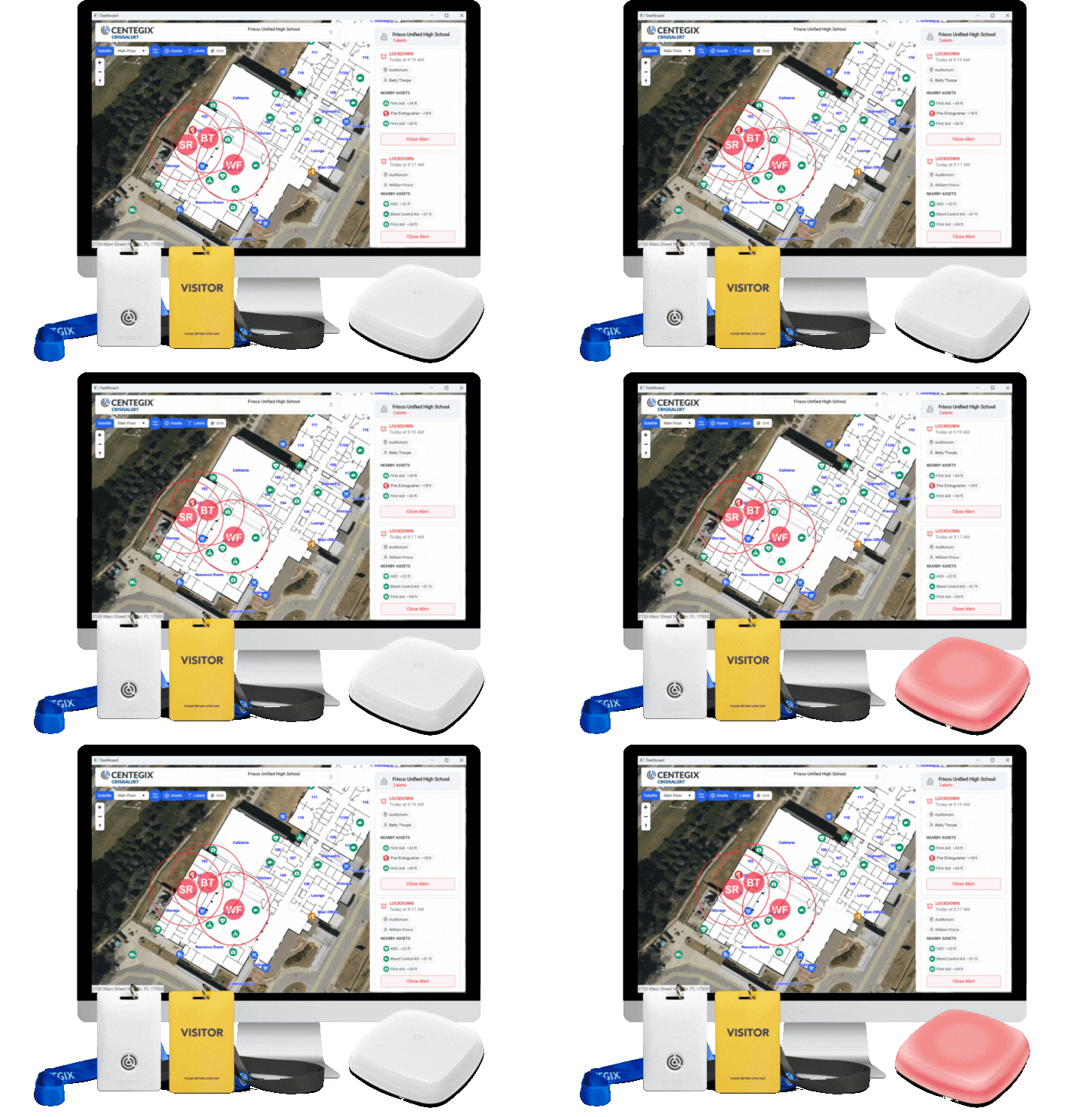
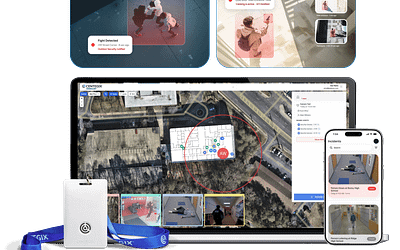
The CrisisAlert™ wearable duress button enables immediate, discreet alerts when staff face threatening situations. The system automatically captures incident data, including time, location, and threat details. This automated documentation satisfies legislative requirements for incident logging and reporting.
Facilities receive detailed analytics showing incident patterns, response times, and trend analysis. Weekly automated reports monitor system usage and identify areas requiring additional support.
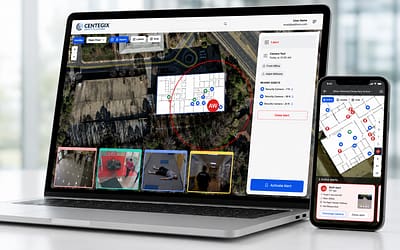
The CENTEGIX Safety Platform® integrates multiple safety components into one comprehensive system. Digital mapping through Safety Blueprint® provides responders with precise incident locations and nearby safety assets. Integration capabilities offer the ability to connect with existing security cameras, access control systems, and mass notification platforms. Digital maps can also be shared with local law enforcement and emergency management, strengthening collaboration and emergency response efforts.
The system’s automated reporting features eliminate the burden of manual data collection. Administrators can access detailed dashboards displaying the metrics required by legislation, including incident frequency, response times, and location patterns of workplace violence in healthcare.

Benefits of Proactive Workplace Violence Prevention
Organizations implementing comprehensive safety solutions before legislative deadlines gain significant advantages. Staff members who feel protected demonstrate higher engagement and improved retention rates. Healthcare providers working in safer environments deliver better patient care with fewer disruptions.
Proactive safety measures reduce incident severity by accelerating response times. When staff can summon help immediately and discreetly, situations can de-escalate before reaching crisis levels. Early intervention prevents minor conflicts from escalating into serious safety events that require extensive documentation and investigation.
Beyond individual facility benefits, comprehensive safety systems create industry-wide improvements. Automated incident documentation provides data that helps healthcare organizations identify systemic patterns and implement targeted interventions. These capabilities transform safety from a reactive compliance burden into a proactive strategic advantage, safeguarding the healthcare workforce and elevating the quality of patient care.
Financial benefits include reduced workers’ compensation claims, lower insurance premiums, and decreased labor costs from improved retention. Facilities with strong safety records attract quality staff more easily in competitive healthcare labor markets.
CENTEGIX Leads Innovation in Wearable Duress Technology
CENTEGIX has emerged as the definitive leader in wearable safety technology across healthcare settings, education, government, and more. The company now protects over 15,000 sites and 15 million people across 48 states.
Customer satisfaction metrics demonstrate the effectiveness of the solution. CENTEGIX maintains a Net Promoter Score four times higher than the national average for safety companies. This exceptional score, based on independent research surveying nearly 300 organizations, reflects consistent success in addressing workplace violence challenges.
The CrisisAlert solution has delivered over 700,000 alerts since its inception, proving its reliability in critical moments. Organizations report 98% of users feel safer and more supported with CrisisAlert badges. Customer retention exceeds 99%, demonstrating sustained value delivery.
Taking Action on Healthcare Safety
Legislative requirements for workplace violence in healthcare prevention will continue to evolve. Healthcare organizations must implement comprehensive safety solutions that meet current requirements while preparing for future mandates. CENTEGIX provides proven technology, automated compliance reporting, and ongoing support to help facilities create safer environments for staff and patients.
Discover how CENTEGIX helps organizations exceed legislative requirements while safeguarding their workforces.