CENTEGIX® surveyed over 600 healthcare workers about their perceptions of safety, preparedness, and the role of technology in supporting staff well-being and delivery of patient care. The 2026 Healthcare Workforce Safety Report provides valuable insights for healthcare safety and security leaders on strengthening safety and supporting workers. It highlights the valuable role of wearable duress badges in healthcare.
Report data can jump-start important conversations about the factors that make healthcare providers feel safe at work and how to mitigate the impacts of violence in healthcare.

Healthcare Workplace Safety in 2026
Workplace safety in healthcare is an ongoing challenge. In recent years, violence in healthcare has increased. Healthcare providers experience workplace violence as much as five times more often than workers in other industries. Between 2019 and 2024, incidents of disorderly conduct and simple assault within healthcare facilities rose, with simple assaults more than doubling in that time period. The numbers are staggering: in 2024, over 80% of nurses reported experiencing violence in healthcare within the previous twelve months, and 91% of emergency physicians indicated that they or a colleague had been threatened or attacked in the past year.
Proactive steps are necessary to address this challenge. Strengthening workplace safety measures and employee training are critical to supporting the healthcare workforce and facilitating high-quality patient care. Creating safer workplaces is important for recruitment and retention.
The 2026 Healthcare Workforce Safety Report highlights healthcare workers’ perceptions regarding workplace safety, preparedness gaps, and administrative safety efforts. The report’s data provides insight into the measures healthcare leaders can take to protect and support their workforce.
Workers Consistently Worry About Safety
Caregivers are frequently experiencing violence in healthcare, and are concerned for their personal safety:
- More than one in four healthcare workers reported worrying about their personal safety at work weekly
- 15% experience these concerns monthly
- 68% have personally experienced one or more violent incidents in the past year
- 74% have witnessed one or more violent incidents
The impact of workplace violence on workers is significant: 48% of healthcare workers overall and 63% of hospital workers reported that personal safety concerns impact their ability to deliver compassionate patient care.
Safety Concerns Impact Organizations
Safety incidents and workers’ perceptions impact recruitment, job satisfaction, and retention:
- 54% of respondents, including 58% of female respondents, reported that safety and security measures are very important when considering employment at a healthcare organization
- 75% reported experiencing feelings of burnout. Of these, 66% cited violence and safety concerns as contributing factors
- 61% felt their organization’s safety efforts did not demonstrate a strong concern for worker safety
Healthcare workers look to organizational leadership to take proactive steps to support them and address violence in healthcare. Despite widespread perceptions that the healthcare workplace is often unsafe, nearly one-third of respondents described their workplace safety programs as reactive rather than proactive. A comprehensive approach to safety includes intentional planning to involve healthcare workers in safety measures and technologies that empower them to immediately signal for help when needed.

Healthcare Workers Specify the Measures That Make Them Feel Safe
Healthcare workers advocate for a layered approach that includes safety planning, increased security personnel, and effective safety technologies. 45% rank a wearable duress badge among the top technologies healthcare workers say would make them feel safe. Despite this, more than half of the respondents reported a lack of access to a wearable alert device.
Wearable duress badges are the primary technology of choice among respondents, with 42% ranking them as their top safety preferred safety measure. Importantly, healthcare workers desire wearable devices that do not continuously track them. Instead, 68% of respondents said they prefer a wearable duress badge that only shares their location when they activate an alert for help. Women, in particular, preferred user-activated buttons 13% more than men.
Wearable duress badges provide both support and protection for the healthcare workforce, enabling staff to focus confidently on patient care. As healthcare safety and security leaders continue to address workplace violence, adopting wearable duress technology should be a top priority if it is not in place already.
Wearable Duress Badges Provide Needed Confidence
Among respondents who are equipped with a wearable duress badge, 89% reported that their device improved their sense of safety at work. 67% of respondents without a wearable duress badge reported that a device would improve their sense of safety at work.
In addition, when compared to those without access, workers with access to a wearable duress badge reported:
- 12% higher perceptions of organizational support
- 19% greater feelings of protection
- 25% stronger confidence in their organization’s ability to respond to active shooter scenarios
- Equipping workers with a wearable duress badge also impacts patient care. 45% of workers with access to a wearable duress badge felt that the device improved their ability to provide quality patient care, showcasing the strong link between feeling protected and caring for patients
- Areas for Improvement in Workplace Safety
Safety training and technology must go hand in hand. While healthcare organizations are working toward improving workforce safety, opportunities for improvement remain. To sustain workforce confidence, retention, and well-being, organizations should focus on these key areas:
- Strengthening safety preparedness
- Expanding access to personal safety technologies
- Layering training, human support, and proactive safety strategies

How Healthcare Organizations Create a Culture of Safety
The 2026 Healthcare Workforce Safety Report reveals specific measures healthcare organizations can take to support and protect workers:
- Take a holistic, layered approach to safety plans.
- Root safety device adoption in support, not surveillance.
- Invest in tools that make healthcare workers feel safe, reduce response times, and improve the quality of patient care.
- Commit to hands-on, scenario-based training.
- Implement proactive safety measures.
- Prepare for campus-wide emergencies such as an active shooter scenario.
CENTEGIX Safety Platform: Comprehensive Workforce Protection
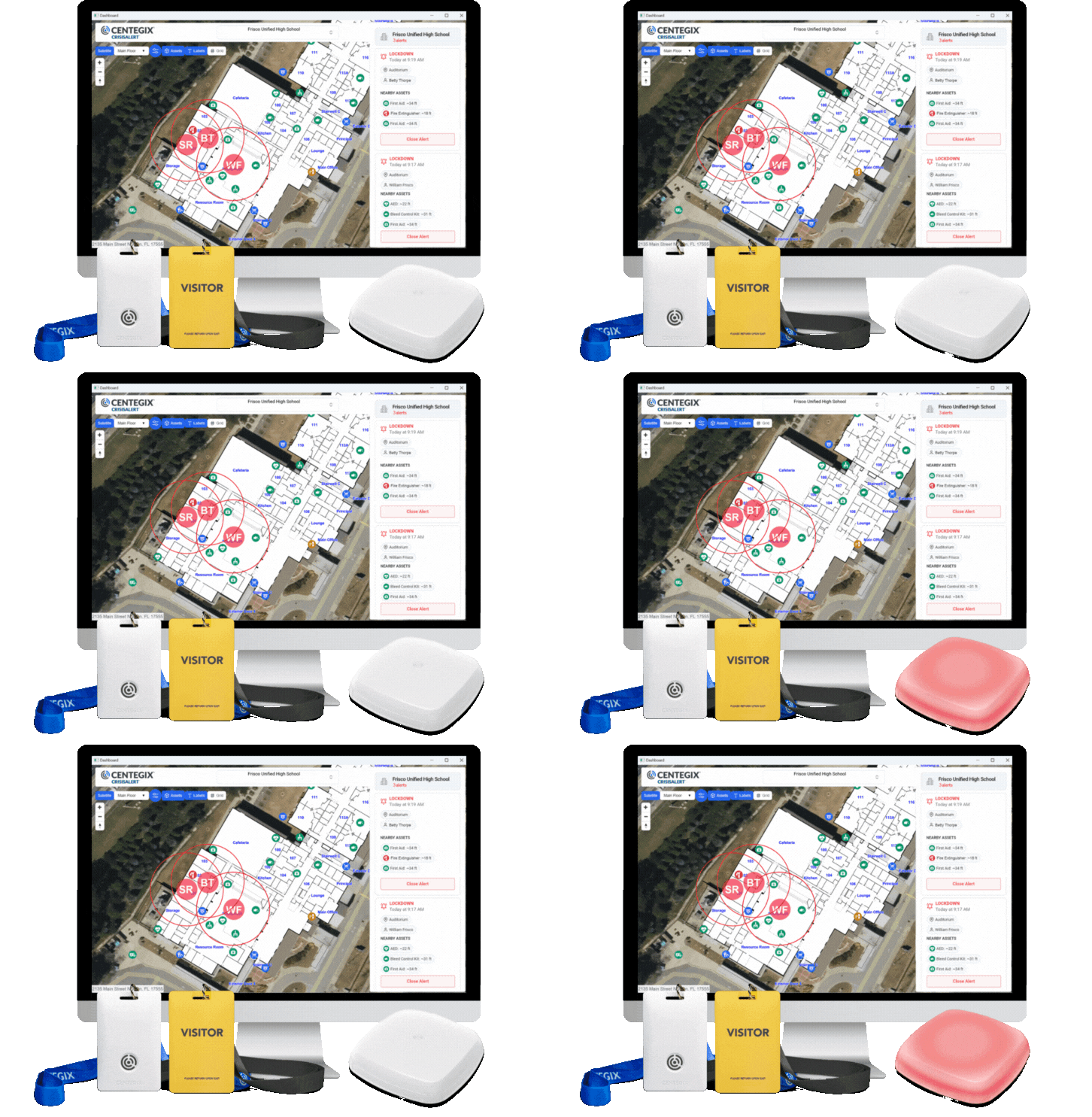
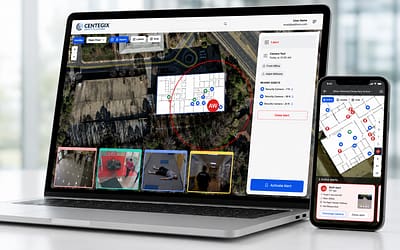
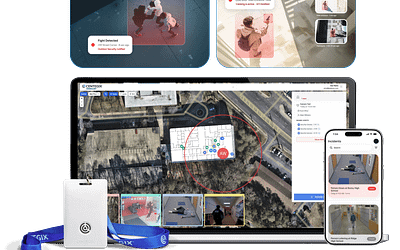
The CENTEGIX Safety Platform® is a comprehensive emergency management system that empowers healthcare organizations to create a culture of safety. The Safety Platform combines its CrisisAlert™ wearable duress badge with critical incident mapping to reduce emergency response times in healthcare facilities.
CENTEGIX designed its CrisisAlert badge to empower healthcare workers, not track them. The CrisisAlert wearable duress badge transmits a user’s location information only when they trigger an alert for help. CrisisAlert immediately identifies who needs help, where they are located, and notifies responders.
The CENTEGIX Safety Platform replaces chaos with coordination, creating a safety ecosystem within healthcare organizations. Within this ecosystem, employees feel empowered to participate in safety planning and response. Empowered employees who feel safe at work are well-resourced to provide high-quality patient care.
To learn more about how the CENTEGIX Safety Platform can bolster your organization’s proactive approach to workforce safety, schedule a demo today.