by Rod Russell | Nov 25, 2024 | Blog
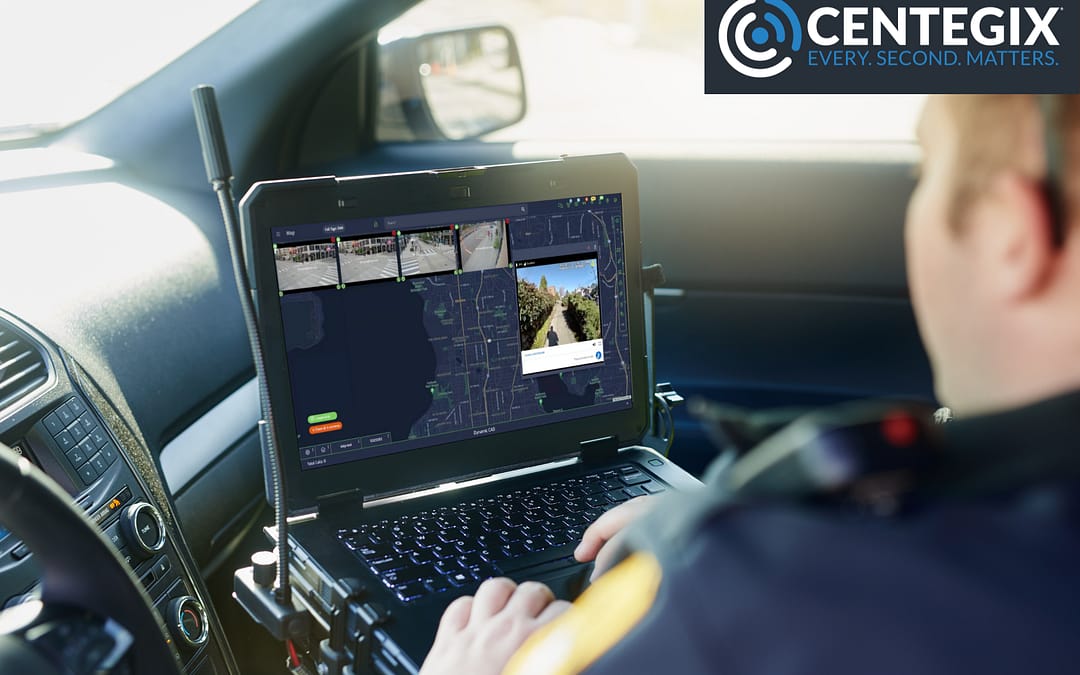
In an emergency, time is the single most critical factor of incident response. The speed of emergency response can determine the number of casualties, a victim’s recovery time, and the trauma that bystanders experience. For these reasons, emergency responders must...

by Rod Russell | Oct 24, 2024 | Blog
First responders arriving at an emergency face a high-stress, time-sensitive situation that requires fast, accurate information. When they don’t know the best way to get to an incident, who to look for, or the scope of what they’re facing, response times will be...

by Jeri Williams | Sep 24, 2024 | Blog
For many public facilities, access to critical incident mapping can be a key differentiator in the outcome of an emergency. Emergency preparedness is crucial for facility managers to keep staff, visitors, and everyone on campus safe by rapidly locating and responding...
by Will Fullerton | Mar 28, 2024 | Blog
Tens of thousands of students, staff, and visitors enter and exit U.S. school campuses every day. In these bustling environments, all types of incidents are possible, from medical emergencies to altercations between students to acts of violence. Critical incidents are...
by Will Fullerton | Mar 25, 2024 | Blog
In September 2023, Texas House Bill 3 (HB3) went into effect. This bill aims to improve public school safety in the state. Among other efforts to create safe learning environments, the bill mandates that schools implement critical incident mapping technologies to...



