
Mike Johnson, Managing Director at ClearpathEPM
“We have to do everything we can to have safe schools and protect our students,” is a phrase Mike Johnson, Managing Director at ClearpathEPM, not only repeats but constantly works toward each day. After nearly 30 years as a federal law enforcement agent, Johnson now runs his own company that helps “schools, businesses, events, and places of worship build and maintain robust emergency preparedness, risk, and safety programs.”
Johnson’s years of experience in the industry led him to develop a methodology he now helps schools implement to maintain safe environments. One of those schools is Marjory Stoneman Douglas High School in Parkland, Florida, where 17 people tragically lost their lives after a gunman opened fire on campus in February 2018. Johnson works with the local Broward County task force as a school safety and preparedness expert. He believes lives could have been saved if the school had been able to get what he calls “left of boom.”
“Boom is any disruptive or potentially unpleasant event that could happen at a school. There could be many. And so what we want to do is get schools to the left of that to be better prepared,” says Johnson. By studying school disruptions—including shootings, insider threats, and natural disasters—Johnson identified seven key components that lead to a safe school environment, one that “maintains situational awareness” and can respond as soon as a “boom” occurs.
Maintaining School & Community Safety
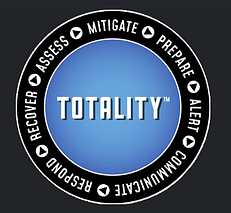
While Johnson’s “Emergency Planning Management” process technically has seven steps, he strongly encourages that this should be a “constant process.” If thought about in this manner, schools can avoid the dangerous complacency area, where a “that would never happen here” attitude can be the difference between life and death.
1. Assessment
This includes the assessment of assets (students, teachers, student records, etc.), disruptive events (threats or hazards), and vulnerabilities (physical and technical security, drilling, and training). Johnson says while assets and disruptive events usually stay constant, risk can be lowered by correctly identifying and mitigating the vulnerabilities.
2. Mitigate
Before the mass shooting at Marjory Stoneman Douglas High School, Johnson says, teachers were only given a short PowerPoint presentation on what to do in an active assailant situation. This level of preparation then became a vulnerability. To mitigate identified vulnerabilities such as this one, Johnson says, schools can implement procedures, technology, and physical security—all components that make a safe school.
3. Prepare
“You have three to five minutes on average until first responders get there and take over the scene. So everything we do in school preparedness is based on that three to five minutes,” says Johnson. This preparation, however, goes beyond training and drills. To maintain a safe environment, all personnel and students must know how they will respond in any situation. There must be an answer for everything, from how you will communicate to where you would take Pre-K children in the middle of a lockdown.
4. Alert
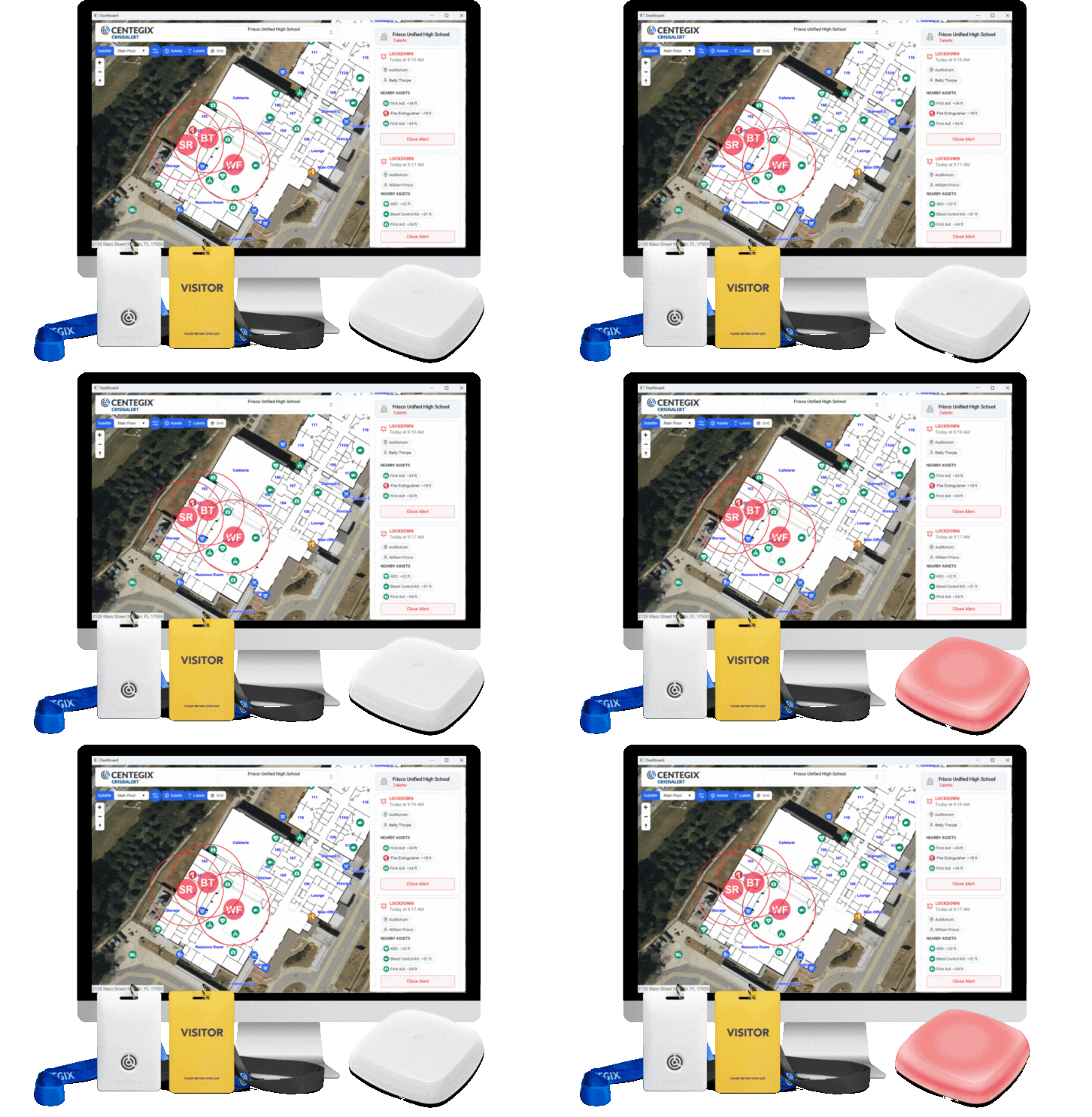
During a school disruption or event, you need 100 percent reliable and accessible information for everyone. Use a product that has a system “based on redundancy,” meaning everyone can still be notified, even if Wi-Fi or cell phone service is down. According to Johnson, “You need a robust emergency communication that is not left up to one single source; that would be a failure… [CENTEGIX’s] CrisisAlert has the 100% reliability I want all schools to have.”
5. Communicate
In an emergency, what you say and how you say it is critical. Marjory Stoneman Douglas High School, for example, had no emergency communication in place. Johnson believes schools “need reliable, redundant information” to communicate—whether it’s situational awareness or what to do—properly.
6. Respond
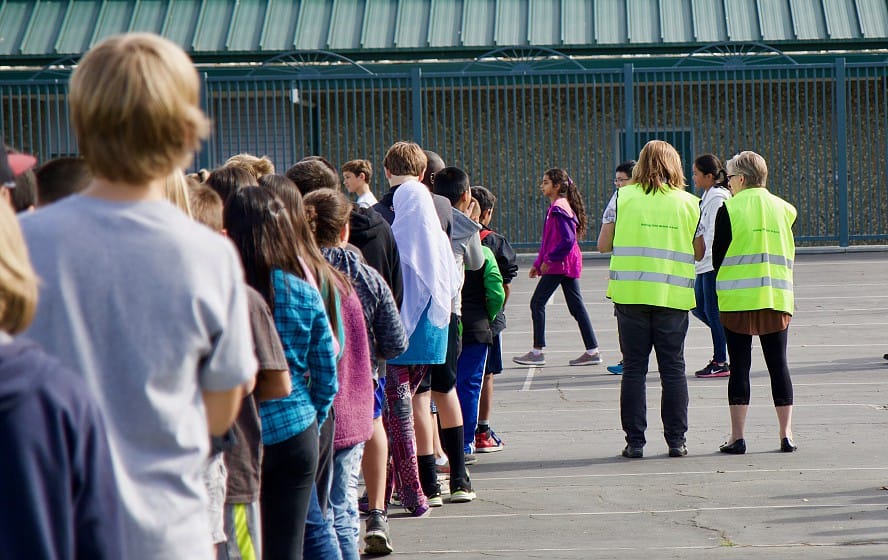
Before first responders arrive, schools have to “hold down the fort” during an emergency, in Johnson’s words. The CENTEGIX motto “every second matters” is related to this response time; the sooner help can get to the person who needs it, the better the outcome. If prepared beforehand, teachers, students, and administrators can respond instead of reacting.
7. Recovery
The recovery process is just as important as preparation, as it helps prevent future situations. Johnson says Marjory Stoneman Douglas High School could have benefitted from having a plan in place for handling the recovery process and avoided additional “traumatic situations” that followed the February 14 tragedy.
Watch the full webinar “7 Keys to a Safe School Community” with Michael Johnson and CENTEGIX here.
KEEP READING
Federal Funding Enhances School Safety Now and into the Future
The federal government is hard at work ensuring Americans receive financial assistance for hardships endured during the pandemic. One key goal of The Coronavirus Aid…
Read more >
Panic Button Compliance: Don’t Leave Your Staff Vulnerable
The safety and security of hotel workers have been put in the national spotlight recently with the publication of alarming studies highlighting the disproportionate amount of on-the-job incidents of sexual harassment and assault faced by hospitality workers…
Read more >
Making Sure Alyssa’s Law Protects Our Children in Schools
When there is a threatening incident in a school, time saves lives. Florida has recently taken an important step to accelerate responses and protect children and educators with Alyssa’s Law, named in memory of Alyssa Alhadeff, a young victim of the Marjory Stoneman…
Read more >