

From October 12-18, we recognize Healthcare Safety and Security Week, a time to acknowledge the dedicated professionals working tirelessly to create safer environments for caregivers, patients, and visitors. Beyond recognition, this observance offers the perfect opportunity to reflect, realign, and reinvigorate your organization’s workplace violence prevention strategy.
In healthcare, workplace violence prevention (WPV) is a shared responsibility. Yet leaders in safety and security often carry the weight of driving change—especially as violence continues to rise in hospitals nationwide. This week, encourage your organization to take meaningful steps together, to protect its people, recognize its safety leaders, and strengthen its culture of safety.
Here are five impactful ways your teams can support Healthcare Safety and Security Week while making measurable progress on your workplace violence prevention goals.
1. Recognize Your Safety Champions
Behind every successful safety program is a team of passionate leaders, security officers, and cross-functional partners who keep your people protected. Take a moment this week to recognize their efforts, whether through a staff spotlight, an internal newsletter, or an appreciation event. Even small acknowledgments of their dedication to safety can make them feel appreciated, seen, and valued.
Idea: Consider sharing your appreciation on LinkedIn or another social media platform using #HealthcareSafetyWeek or #HSSW and tagging your team, or handing out certificates of appreciation. Public recognition goes a long way in reinforcing a culture of safety.
Related Resource: The International Association for Hospital Safety and Security (IAHSS) offers several ideas to help you highlight the work of your healthcare safety leaders.
2. Reaffirm Your Zero-Tolerance Policy
Policies are powerful—but only if they’re visible, understood, and enforced. Use this week to realign if necessary, and remind staff of your organization’s commitment to a zero-tolerance policy for workplace violence. Internally, reinforce the message that safety isn’t optional, and that reporting incidents is an act of strength, not a burden.
Share messages from leadership highlighting:
- The importance of reporting and the support that employees will receive
- Resources available to those who’ve witnessed or experienced violence
- What the leadership team is doing to support staff and prevent workplace violence
Externally—to patients, visitors, and contractors—set the expectation that violence of any kind will not be tolerated within your facilities. Educate on the impact that violence and aggression have on care and healing.
Related Resource: The Occupational Safety and Health Administration (OSHA) offers more guidance related to zero-tolerance policies and workplace violence.
3. Strengthen Cross-Functional Collaboration
Safety isn’t a siloed effort—it’s a shared mission. A cross-functional workplace violence prevention team unifies leaders and staff, and ensures every department has a voice in building a safer environment for employees and patients.
If you don’t currently have a cross-functional safety team, now is the time to establish one. Bring together representatives from nursing, security, risk management, HR, communications, and other relevant departments to ensure alignment and buy-in across all levels.
Idea: Encourage your internal comms team to share regular updates and reminders about incident reporting, new tools, and available training. Consistent internal communication reinforces your culture of safety.
Related Resource: Download our Playbook for Building a Cross-Functional WPV Team for an in-depth guide to constructing an effective and collaborative team.

4. Conduct a Safety Readiness Assessment
Appreciation should come with reflection. Use this week to evaluate your preparedness for both everyday incidents and extreme events. In a recent interview with Medical Economics, CENTEGIX SVP of Healthcare Safety, Andrea Greco, outlined three reasons risk assessments are so important in healthcare, including: ensuring the safety of employees and patients, preventing harm and by identifying and mitigating risks, and upholding the legal responsibility to implement safety plans.
Getting started can be as simple as asking your leaders key questions, such as:
- How safe do your caregivers feel while they’re working?
- How confident are you in their ability to immediately summon help when needed?
- How quickly does someone respond when help is summoned?
- Are there any gaps in safety plans or protocols within your unit?
- Do our reporting tools make it easy for staff to document incidents?
An honest assessment helps identify blind spots and illuminate the most critical needs. Dr. Kevin Klauer, President and CEO of Shepherd’s Hope, emphasized the importance of risk and readiness assessments in healthcare, saying, “organizations must undertake comprehensive safety planning, starting with a thorough risk assessment. This critical step helps healthcare organizations better understand and mitigate workplace violence.”
Related Resource: Just getting started on workplace violence prevention? This Comprehensive Safety Checklist for healthcare leaders can help. Use it to inspire ideas, validate initiatives, and encourage joint commission and OSHA compliance.
5. Evaluate Tools That Empower Staff
Technology should make safety simple. As you recognize your safety leaders and show your teams you care, ensure they’re equipped with the right tools to act fast and confidently in emergencies.
- Wearable duress buttons, like CENTEGIX CrisisAlert™, give every staff member access to immediate help—no matter where they are on your campus.
- Visitor Management Platforms give your staff peace of mind that everyone on campus has been screened and granted access.
Idea: Involve your frontline workers in evaluating safety technology to encourage adoption and ensure it meets their needs. Ask them if they have hesitations related to new technology or procedures before implementation, to overcome roadblocks and increase buy-in.
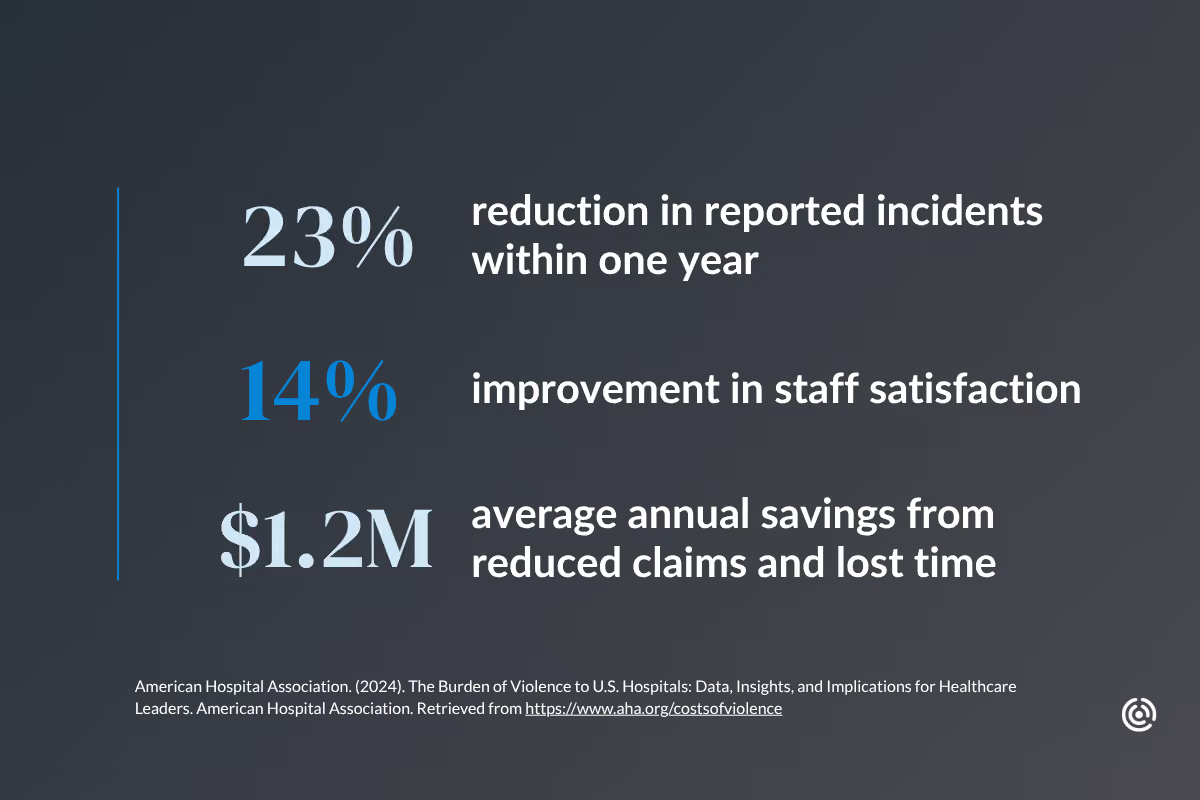
Resource: A recent AHA study found hospitals that implemented comprehensive safety programs (including technology, de-escalation training, and leadership accountability) saw a 23% reduction in reported incidents within one year, a 14% improvement in staff satisfaction, and a $1.2M average annual cost savings from reducing claims and lost time. Use this data to substantiate a return on investments that enhance workplace safety.
Conclusion: A Commitment to Workplace Violence Prevention
Healthcare Safety and Security Week is more than a celebration; it’s a call to action. Recognize the people who keep your organization safe, assess your organization’s current readiness, and take meaningful steps toward building a safer, stronger workplace.
Together, we can create a culture where every healthcare professional feels protected—because safety is the foundation of care.
CENTEGIX is dedicated to our mission of innovating safety solutions to empower and protect people (every day). To see our approach for protecting healthcare providers and their patients, click here.