As students and educators return to campus for the 2026–27 school year, district leaders are facing challenges that extend well beyond the classroom.
School closures and enrollment declines are putting pressure on districts to improve performance and strengthen community trust. Teachers continue to navigate increasing student behavioral challenges and concerns about workplace violence. At the same time, advances in technology, including AI, are creating new opportunities to improve emergency response, while legislation continues to raise expectations for school safety.
Together, these challenges are changing the way district leaders think about safety.
School safety is not solely about preparing for a worst-case scenario. It impacts the everyday experiences of students and educators and supports many of the broader goals districts are working to achieve.
As the new school year begins, CENTEGIX experts predict five trends will influence how district leaders approach school safety in 2026–27.
1. Safety Will Become Part of Broader District Performance Strategies
More than 1,000 schools closed during the 2025–26 school year. As districts navigate enrollment challenges and school closures, strengthening student outcomes and building community trust will be critical.
Safety has an important role to play.Districts that prioritize school safety are seeing measurable improvements in enrollment, attendance, graduation rates, district ratings, and student academic outcomes.
CENTEGIX Chief Development Officer Dr. Roderick Sams expects more district leaders to make this connection in the coming year.
“The districts that outperform their peers will be the ones treating safety as a strategic driver of long-term district performance.”
This represents an important evolution in school safety planning. Safety should not operate separately from a district’s academic and operational priorities. When students and educators feel safe and supported, schools create a stronger environment for learning, teaching, and long-term success.
In 2026–27, expect proactive school safety to move higher on district leadership agendas as more leaders connect safer schools to stronger district performance.
2. Everyday Safety Will Become a Bigger Part of the Teacher Retention Conversation
School safety conversations often focus on campus-wide emergencies. But most incidents educators face are much more routine. CENTEGIX data shows that 88% of everyday safety incidents are behavioral, including incidents such as physical altercations and student elopement.
These incidents are occurring at a time when educators are already reporting increased aggression, incivility, and challenging student behaviors. Violence against teachers contributes to burnout and can ultimately push educators out of the profession.
Districts cannot afford to ignore that connection. Dr. Sams expects more leaders to look closely at their safety data to understand when, where, and why incidents are occurring. Identifying these patterns can help districts make more informed decisions about staffing, training, resources, and technology.
“The districts that are best prepared will be those that combine proactive safety strategies, real-time insights, and tools that help educators quickly get support to address incidents when they need it.”
Preparing for campus-wide emergencies will remain essential. But comprehensive school safety also means preparing educators for the incidents they encounter every day and ensuring they can quickly get help when a situation escalates.
Protecting teachers is becoming an increasingly important part of protecting the future of the education workforce.
3. AI Will Help Schools Identify and Respond to Threats Faster
AI has dominated education conversations over the last several years. In 2026–27, expect to see more practical applications of the technology emerge in school safety.
CENTEGIX CEO Brent Cobb predicts that new AI capabilities and intelligent integrations will help districts make better use of security technology they already have in place.
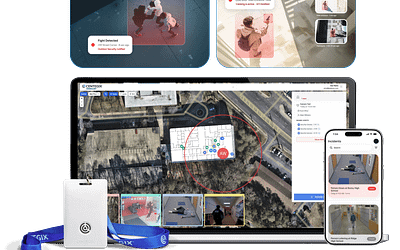
Emergency alerts can be connected with live video to give responders immediate visibility into an incident. AI-powered technology can identify potential threats that may otherwise go unnoticed. Together, these capabilities can provide more information to the people responsible for responding.
“Whether an incident is reported by a staff member or identified through intelligent technology, responders will receive the real-time context they need to assess the situation faster and intervene sooner.”
AI is not replacing the people responsible for school safety. It is creating new opportunities to provide those people with information sooner so they can make informed decisions and act quickly.
The goal isn’t simply smarter technology. It’s giving people better tools to protect one another and moving closer to a world where everyone gets home safe.
4. Districts Will Focus on Closing Information Gaps During Emergencies
Every second matters during an emergency. But getting an alert to the right people quickly is only part of an effective response. Responders also need to know what is happening and where.
CENTEGIX Lead Public Safety Integration Specialist Jason Klink expects situational awareness to become an even greater priority for districts this school year.
“The next evolution of school safety isn’t just about accelerating emergency response; it’s also about bringing clarity to responders.”
Knowing the precise location of an incident can help school staff respond appropriately and enable first responders to understand where they need to go. Adding information such as live video can provide even greater context about what responders may encounter when they arrive.
Technology is only part of this work. Strong partnerships between districts and local public safety agencies can improve coordination, establish clear protocols, and help ensure everyone understands their role before an emergency occurs.
In 2026–27, the goal will not simply be faster notification. Districts will increasingly look for ways to provide responders with the clarity they need to act quickly and confidently.
5. More States Will Raise the Bar for School Safety
School safety expectations are also changing at the policy level.
Alyssa’s Law requires schools to have silent panic alarms directly connected to law enforcement. The legislation has already passed in a growing number of states, and additional states are considering similar requirements.
CENTEGIX Senior Vice President of Strategic Initiatives Christopher Downs expects that movement to continue.
“We will see continued momentum for school safety legislation in the coming school year.”
He also anticipates growing calls for school safety policy changes at the federal level.
As more states establish requirements around emergency response, district leaders should prepare for school safety standards to continue evolving. Meeting minimum requirements is one piece of the equation. Building a comprehensive safety strategy that protects students and staff during both everyday incidents and campus-wide emergencies is the larger goal.
School Safety Is Becoming a Leadership Strategy
While each of these predictions addresses a different challenge, they all point in the same direction. School safety is becoming more deeply connected to the issues district leaders manage every day.
It impacts educators and their ability to do their jobs. It impacts students and their ability to learn. It affects community trust, district performance, emergency response, and the partnerships schools build with public safety agencies.
Technology will continue to evolve. Legislation will continue to change. New safety challenges will emerge.
Districts cannot predict every incident that will happen during the 2026–27 school year. They can, however, prepare their people.
Creating safer schools starts by giving students, educators, administrators, and first responders the tools and information they need to respond when it matters most. When safety becomes part of the broader district strategy, schools are better positioned to protect their people and create an environment where students and educators can thrive.