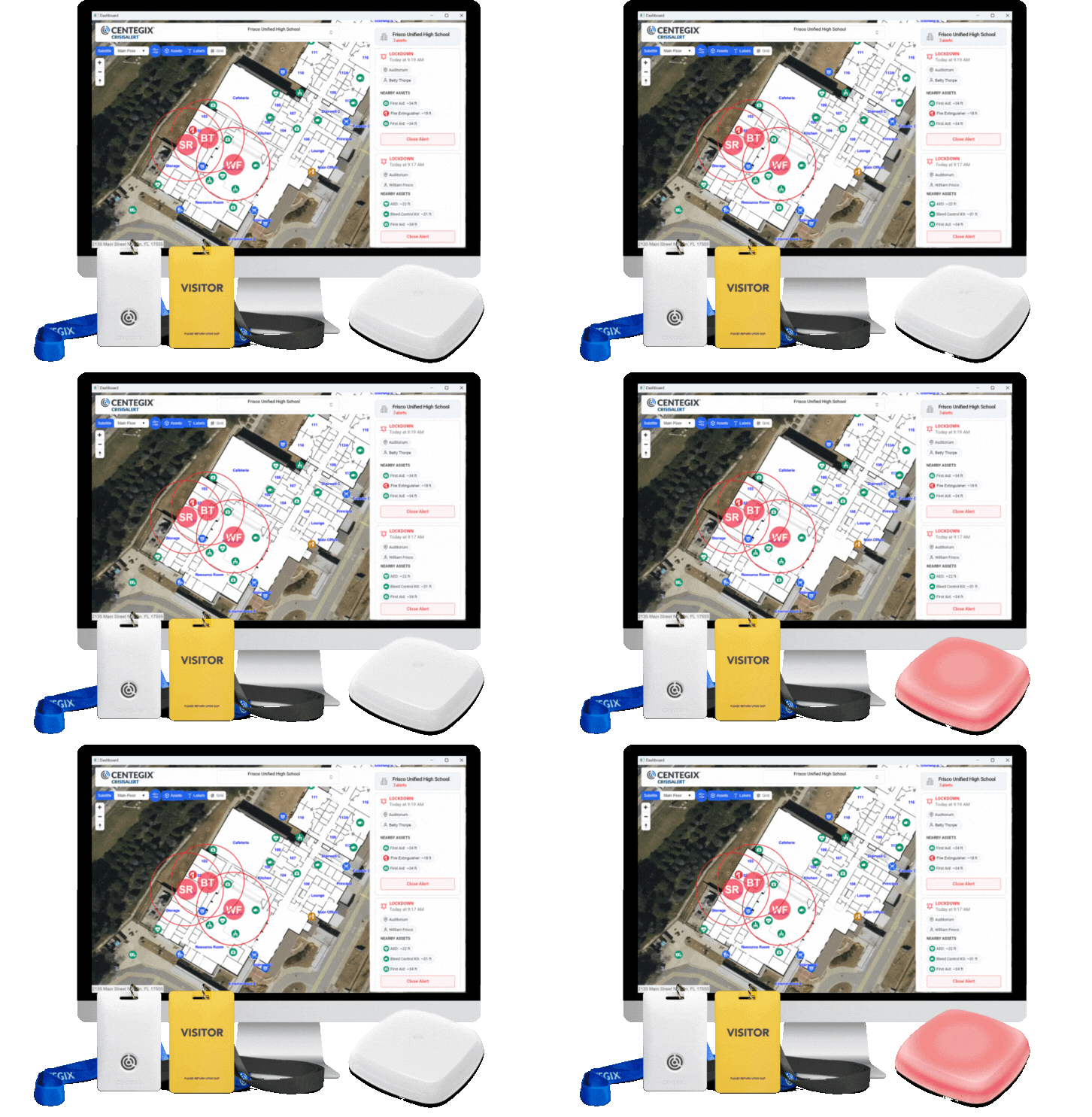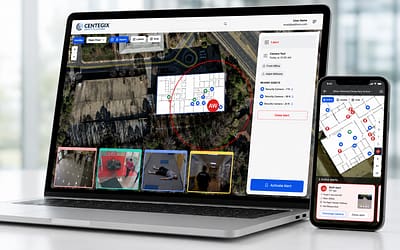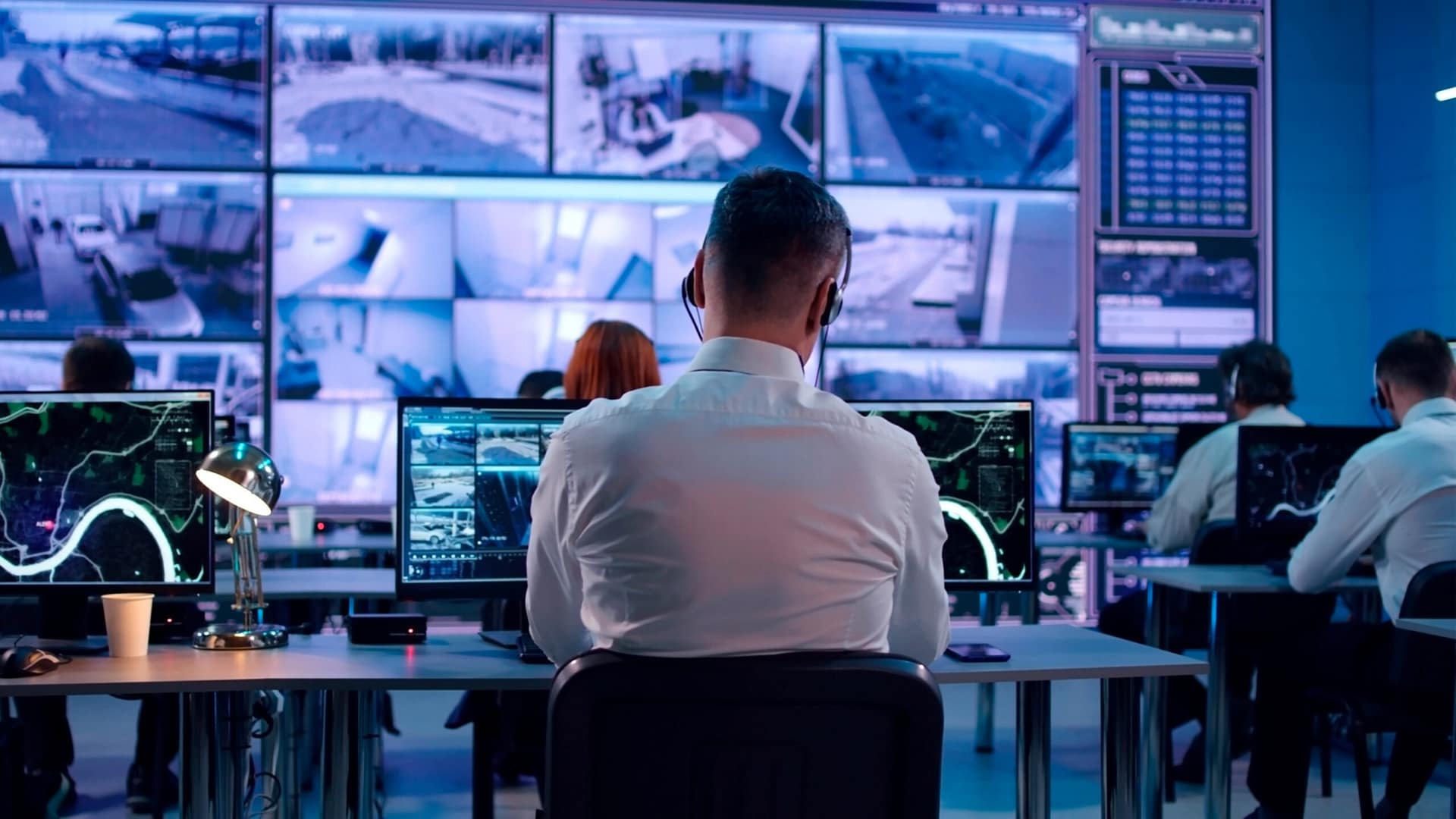
Security cameras have traditionally helped organizations answer an important question after an incident: What happened? Today, video security is increasingly expected to answer a more urgent question while an incident is unfolding: What is happening right now? The shift from recorded evidence to real-time video intelligence is the focus of Episode 5 of The Safety Signal. CENTEGIX® CMO Robb Monkman sits down with Jeremy Gulley, Global Director of Ecosystem at Rhombus, to discuss proactive video security, the realistic role of artificial intelligence, privacy, interoperability, and how connected technology can strengthen incident detection and response. The conversation also takes listeners inside the CENTEGIX and Rhombus integration. When a staff member activates a CrisisAlert™ wearable panic button, CENTEGIX identifies the alert’s precise location and automatically surfaces live video from the four closest supported Rhombus cameras through Alert Activated Video. This connects a human request for help with location and visual context, giving authorized responders timely information without requiring them to search manually for the relevant feeds. Here are six of the episode’s most important insights for school and organizational leaders.
1. What is proactive video security?
Proactive video security uses video, analytics, alerts, and connected workflows to make relevant information available while an event is developing and afterward. It complements the investigative value of recorded footage by bringing real-time intelligence into incident detection and response. Jeremy describes this as the most significant change in the video security industry, “What we like to say at Rhombus is it’s moving from reactive to proactive.” In the traditional model, cameras capture footage that someone retrieves after an incident. That evidence remains important for investigations, but its value during an active event depends on whether someone knows which feed to find and can access it quickly. “I think the era of putting the cameras up on a wall and looking at them later is over,” Jeremy says. “How do we bring that stuff to you in real time?” The answer is not simply to collect more video. Proactive video security must surface the right information for the right person at the right time.
2. Where does AI create genuine value in video security?
AI can help analyze video, identify configured events, search footage, and prioritize information. Its usefulness, however, depends on the quality and relevance of the data and system connections supporting it. As Jeremy explains, “AI today is only as good as what you’re giving it.” This is an important distinction at a time when AI appears in nearly every technology conversation. AI should address a defined safety or operational need, not become an objective by itself. Organizations must determine what matters at a particular site, what information is available, who should receive an alert, and what action should follow. Jeremy also identifies the role AI should play as security ecosystems expand. In his vision, “AI prioritizes, or helps prioritize, the information rather than overwhelms the operator.” The goal is not to place more notifications, dashboards, or decisions in front of an already busy security team. It is to reduce the effort required to locate the information that matters. AI also represents only one path into a response. A connected camera may identify a visible event, but a person can recognize emergencies and contextual warning signs that a camera cannot see or interpret. AI-activated alerts and staff-activated CrisisAlert alerts can address different gaps while bringing relevant information into the same incident detection and response workflow.
3. How do CENTEGIX and Rhombus give responders visual context?
When a staff member activates a CrisisAlert wearable badge, the Safety Platform® identifies who needs help and pinpoints their precise location. Through Alert Activated Video, the supported Rhombus integration, live feeds from the four cameras closest to that location appear automatically for authorized responders. Jeremy summarizes the complementary roles of the two platforms, “CENTEGIX is telling you something happened, where it’s happening, and Rhombus provides that visual layer.” That visual layer can help responders evaluate available information about the area, see who appears to be present, monitor relevant hallways or entrances, and consider whether additional personnel or resources may be needed. The technology supports human judgment; it does not independently determine the response or guarantee an outcome. The primary operational advantage is that responders do not have to reconstruct the incident context manually. Jeremy explains that the integration “removes the valuable seconds that used to be spent searching for information as you’re trying to figure out how to respond to it.” The Alert Activated Video workflow connects four elements:
- A staff member’s request for help
- Precise alert location
- The closest relevant camera feeds
- Live video for authorized responders
Together, those elements can give responders greater situational awareness before they arrive. In Jeremy’s words, they can approach with better information “instead of walking in blind.”
4. How can existing security cameras become part of an active response?
Existing security cameras create more value when they are connected to the organization’s wider safety workflow. Instead of operating as an isolated repository of footage, supported cameras can provide visual context tied to an active alert and its location. For organizations already using compatible Rhombus systems, Alert Activated Video connects the existing camera environment with the Safety Platform and CrisisAlert rather than requiring a separate camera system for this workflow. CENTEGIX location data determines which four supported camera feeds are closest to the alert, reducing the manual handoffs that can delay access to relevant information. This reflects a broader principle in school safety technology: buying multiple layers does not automatically create a coordinated system. Those layers must exchange useful information and align with established roles, protocols, training, and response procedures. The U.S. Department of Education’s emergency-planning guidance similarly emphasizes comprehensive emergency operations plans, clearly assigned roles, collaborative planning, training, and exercises. Technology is most effective when it strengthens that human and procedural foundation.
5. How should schools address privacy concerns about cameras and AI?
Schools should clearly communicate why video and AI technologies are used, how they are used, who can access the information, and how the data is protected. They should also select and configure technology according to a defined purpose rather than implementing every available capability. Jeremy frames the issue directly, “At Rhombus, we take a strong stance that trust starts with transparency.” He recommends that schools explain “why the technology exists, how it’s used, who has access, and how the data is protected.” That four-part framework gives leaders a practical starting point for conversations with staff, families, governing bodies, and community stakeholders. Purpose also matters. In the CENTEGIX and Rhombus Alert Activated Video workflow, a person initiates the response by pressing the button on their CrisisAlert badge. The alert then surfaces incident-specific video from nearby supported cameras for authorized responders. This is distinct from requiring a person to watch every camera continuously. Policies should still address authorized access, appropriate use, retention, cybersecurity, and applicable legal requirements. Transparency is not a substitute for governance, but it helps stakeholders understand how a specific technology supports the organization’s safety objectives.
6. Why does interoperability matter more than a “single pane of glass”?
Security interoperability allows different systems to exchange information and support connected workflows while giving each user access to the information appropriate to their role. It does not require every employee to work from one universal interface. Jeremy captures that distinction with one of the episode’s most memorable observations, “It’s no longer about this single pane of glass; it’s about your pane of glass.” A teacher, front-desk employee, school administrator, safety director, and security officer do not need identical views. They need relevant, actionable information connected to their responsibilities. Meanwhile, the underlying technologies, such as wearable alerts, location services, video, mapping, access control, mass notification, and visitor management, should be able to contribute to a coordinated school safety strategy. Rhombus identifies full interoperability as a core part of its cloud-managed physical security platform. Similarly, CENTEGIX Safety Network integrations are designed to connect existing safety investments with the CENTEGIX Safety Platform®, reducing manual handoffs and adding location, video, mapping, notification, and other context to the response. Interoperability is also a procurement issue. Jeremy advises leaders to work with organizations that are building a full platform to solve problems rather than selecting isolated products that satisfy only a few checklist items. That requires collaboration among safety, security, IT, facilities, administration, and other stakeholders before technology is purchased, not merely after installation.

What does the future of emergency response look like?
Jeremy envisions a future in which systems share information automatically, responders receive real-time situational awareness, AI prioritizes what matters, and administrators spend less time managing technology and more time leading the response. “Ultimately, the goal is that the technology itself should fade into the background because it all works together seamlessly,” he says. That is the promise of proactive video security: not more technology for its own sake, but better connections among people, information, and the systems already supporting them. When an alert, precise location, relevant video, and established response protocols work together, responders can spend less time searching for context and more time acting on it. Hear Jeremy Gulley and Robb Monkman explore proactive video security, AI, privacy, interoperability, and the CENTEGIX–Rhombus integration in Episode 5 of The Safety Signal: “From Reactive to Proactive. Giving Responders Eyes Before They Arrive.”