Every healthcare facility has its own set of unique attributes and needs. However, all healthcare organizations should have a layered safety plan in place for when emergencies happen.
Healthcare facilities must be prepared to face a wide array of emergencies. From workplace violence in healthcare—which has consistently risen over the last decade, with nearly 20% of all providers reporting having experienced physical abuse at the workplace—to weather emergencies, like hurricanes Helene and Milton that recently devastated parts of the eastern United States. Healthcare safety and emergency preparedness are integral to protecting lives, reducing trauma, and managing emergencies within a community. Collaborating with emergency management services can ensure your healthcare facility is prepared for whatever is thrown your way.
Preparedness involves an array of activities, including:
- Planning: Developing a plan to address patient needs if essential services are disrupted. This should include an evacuation plan, a staff training schedule, and a written crisis communications strategy.
- Training: Verifying staff are trained in emergency procedures and have access to reliable communication networks.
- Collaboration: Working with other stakeholders, such as public health departments, local law enforcement, and neighborhood organizations.
- Communication: Developing and maintaining an emergency preparedness communication plan.
- Coordination: Coordinating with state and local emergency resource departments.
Customized emergency operations plans, procedures, and technologies improve safety and preparedness on healthcare facility campuses. Ensuring your team is equipped to address any scenario, including workplace violence in healthcare, means placing an emphasis on strategic communication and collaboration throughout your emergency operations plan. Creating an EOP that meets all the specs described above in addition to fitting your organization’s needs is an achievable feat if you have the right safety partner and technology.

Healthcare Emergency Management and Operations Plans
When your organization is focused on improving specific areas, such as hazard management, natural disasters, or mitigating workplace violence in healthcare, layered emergency management and operations plans help ensure your facility will operate safely during a crisis. By implementing procedures focused on prevention, mitigation, response, and recovery, your organization can prepare for a crisis from start to finish.
An Emergency Operations Plan (EOP) outlines the procedures and responsibilities in the event of an emergency or disaster. An EOP can establish the roles, responsibilities, functions, and authorities of different teams, departments, and organizations involved in an emergency response. It also provides a framework for how these groups should operate and communicate.
An EOP can help guide the actions and decisions of the organization during an emergency to minimize the impacts and risks, and restore day-to-day operations as soon as possible. An Emergency Management Plan can provide a higher-level view and includes tactics like risk assessments, preparedness training, and mitigation strategies.
The Joint Commission’s Emergency Management Standards require hospitals to develop procedures with the following elements:
- Communications
- Resources and assets
- Safety and security
- Staff responsibilities
- Utilities
- Clinical support activities
Your organization is unique. Choosing the right safety partner for your healthcare organization is key to implementing an effective EOP to benefit your patients and staff.
Accounting for Unique Emergency Response Needs in Healthcare
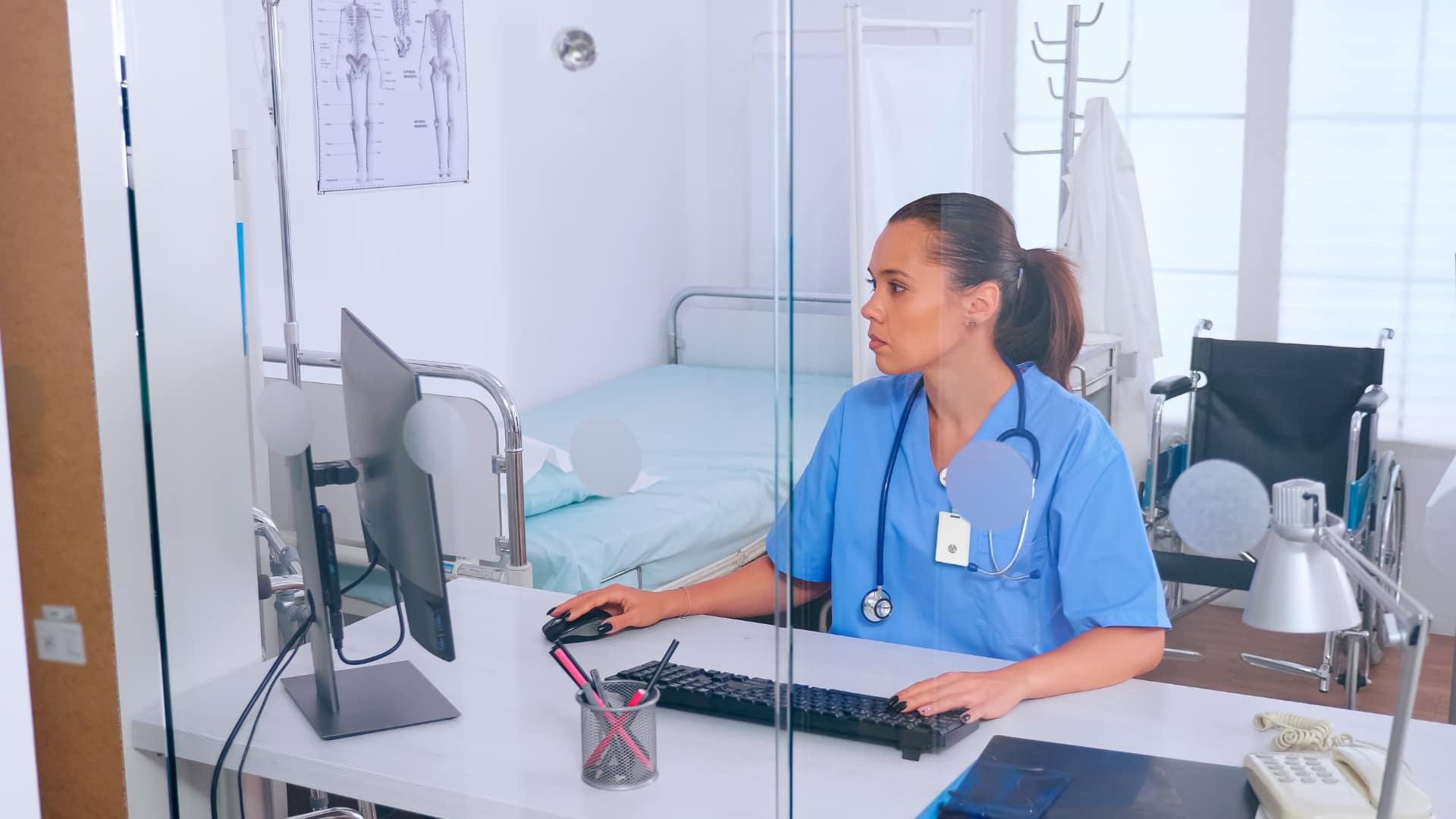
Emergency planning in healthcare is not a “one size fits all” strategy. It’s crucial to analyze the unique needs of an organization and community before implementing emergency management plans. Seeking technology that is adaptable and customizable can help strengthen your efforts. Healthcare organizations must ensure staff are properly trained, educated, and equipped to care for patients during emergencies. Ensuring due diligence in pre-planning phases will increase the likelihood of success when plans are put into action.
The uptick in violence in healthcare has led many emergency preparedness teams to hone in on mitigating violence against staff, but healthcare organizations must craft their EOPs to account for facility-specific safety needs, such as community resources, environment, layout, and patient needs. Consider rural health facilities. Rural healthcare organizations face unique challenges that urban healthcare organizations don’t. When a crisis strikes in rural communities, the demands on local EMS agencies and healthcare facilities can quickly take over available resources.
All types of disasters—including weather events, workplace violence in healthcare, and medical emergencies—present complex effects and can occur without warning. Like all healthcare organizations, rural communities can proactively address weaknesses in EOPs and mitigate the impact of large-scale emergencies by planning and preparing before they happen. Rural communities, local governments, and others involved in emergency preparedness and response face unique challenges that can include:
- Resource limitations, such as equipment and supplies, training, and infrastructure
- Access to healthcare for higher levels of care
- Remoteness and geography
- Low population density
- Communication issues
Crafting an effective EOP that can account for all the factors that make your facility unique—while simultaneously addressing workplace violence in healthcare and other emergencies—may seem like an impossible feat. But with the right safety partner, you can set your organization up for success in crises by ensuring reliable communication with EMS.

CENTEGIX: Customized Safety Solutions for Healthcare Organizations
Our strategic integrations work with existing EMS procedures to save time communicating and coordinating support during an emergency.
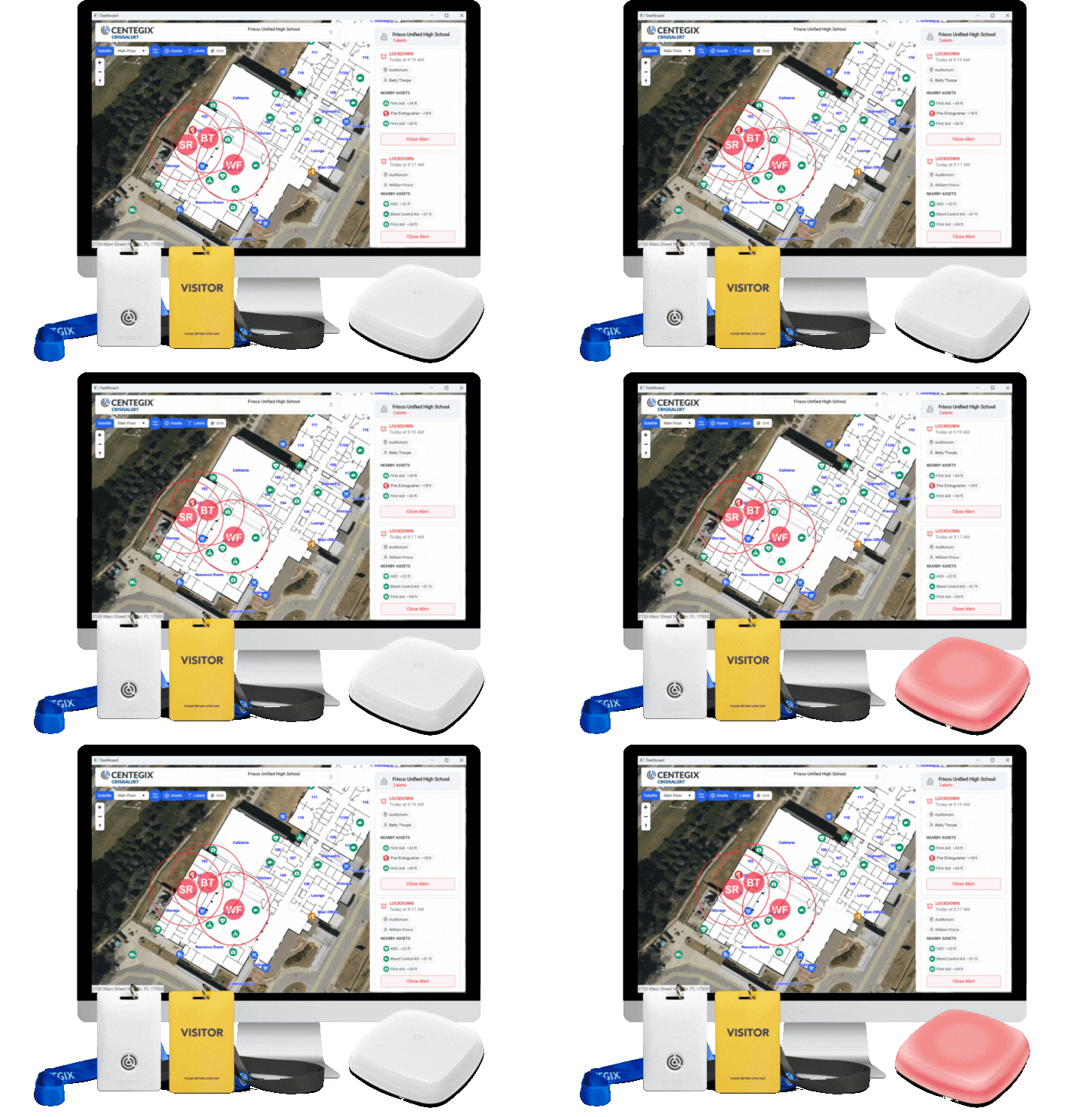
The CENTEGIX Safety Platform™ is an advanced hospital safety solution designed to create a culture centered around safety. The CENTEGIX Safety Platform offers precise location capabilities to facilitate an accelerated and effective response during moments of need.
The CENTEGIX Safety Platform empowers healthcare leaders to create robust emergency management plans, customized for their facilities’ specific needs so they can maximize efforts during emergencies. Customizable integrations, like the ability to connect directly to PSAP, offer health systems the ability to standardize without sacrificing the unique accommodations they need.
Safety Platform at a glance:
- Discreet, wearable duress button
- Digital mapping to outline floorplans, safety assets, and incident locations
- Total campus coverage powered by private LoRaWAN and Bluetooth networks
- Precise locating capabilities activated only during an incident
- Easy installation, with no hardwiring required
- Accessible and automatic reporting collected within an easy-to-use dashboard
- OSHA, CMS, and JC compliant
The Safety Platform provides full campus coverage, including parking lots and garages. The Safety Platform is tailored to your organization, with the ability to account for specific evacuation routes depending on the emergency (such as earthquake, flood, or active shooter, for example).
In a rural setting, healthcare campuses could be located miles from law enforcement agencies, so immediate, reliable communication and coordination with law enforcement and other EMS agencies is critical. Rural facilities are also often under-resourced and don’t have on-campus security personnel, so they rely on first responders from other agencies and locations to provide interventions when necessary. CENTEGIX makes the collaboration between healthcare facilities, law enforcement, and EMS easier by sharing maps and critical information in real time.
The CENTEGIX CrisisAlert wearable duress button provides a quick, discreet way for staff to request help no matter where they are on campus, allowing them to leverage their de-escalation training confidently, knowing help is on the way. With precise location accuracy, responders know exactly where to dispatch help. Whether staff are providing care in patient rooms, working in the emergency bay, or walking in the parking garage, CENTEGIX CrisisAlert delivers 100 percent full-campus coverage for your staff. Wi-Fi and cellular service are never required for a staff member to send an alert. CENTEGIX CrisisAlert can be installed with no alterations to physical structure or electrical wiring, and installation can be completed with minimal disruption to patient care.
CENTEGIX Safety Blueprint™ provides hospitals with digital, multi-layered maps of their campuses—including information about safety assets—which is invaluable for staff and first responders in high-stress emergencies. CENTEGIX Safety Blueprint is highly customizable so that hospitals have a solution tailored to their needs while also maintaining a map for emergency responders to refer to.
CENTEGIX Visitor Management enhances the supervision of hospital traffic for administrators. With Enhanced Visitor Management, healthcare administrators can locate guests, volunteers, and contractors, in real-time, through live digital maps. It also records visitor details for future reference.
During an emergency, every second matters. Establish a culture of safety and set your healthcare organization up for success in the event of an emergency. CENTEGIX is a national leader in innovative safety solutions that integrate with other technologies to help keep patients and staff members safe. Click here to learn more about what we can do for your organization and see a CENTEGIX Safety Platform demo.