Healthcare workers face workplace violence at five times the rate of professionals in other industries. A 2024 survey found that 82 percent of nurses experienced workplace violence within the prior year (National Nurses United), while a separate poll revealed that 91 percent of emergency physicians had been threatened or attacked during the same period (American College of Emergency Physicians).
These statistics reinforce the urgent need for workplace violence prevention strategies that protect the people who dedicate their careers to caring for others. De-escalation is one of the most important skills a healthcare worker can develop, but training alone is not enough. Caregivers also deserve a comprehensive safety system that empowers them to signal for help immediately, even while applying calming techniques in real time.

The Value of De-escalation Training in Healthcare
De-escalation is a discipline rooted in empathy, communication, and practiced response. Organizations like the Crisis Prevention Institute have trained more than 17 million professionals in evidence-based crisis intervention techniques designed to reduce challenging behavior and prevent incidents from intensifying. Healthcare settings benefit from these programs because emotions run high when patients and families face health crises.
Effective verbal intervention starts with empathy. Healthcare providers who acknowledge a patient’s frustration, pain, or fear can often redirect a tense interaction before it becomes dangerous. Active listening, a calm demeanor, and validation of emotions all play a role in diffusing volatile situations.
Training must also be continuous, not a one-time event. Organizations that hold regular crisis intervention sessions, including role-playing exercises in huddles and team meetings, help staff build the confidence needed to apply these skills under pressure. Basic techniques benefit frontline caregivers, while advanced strategies prepare those in higher-risk departments. Each layer of training strengthens the organization’s overall readiness.
Layers of Safety: De-escalation and Wearable Duress Buttons
De-escalation training is a critical layer of any healthcare safety plan, but it cannot stand alone. Some situations escalate too rapidly for verbal intervention, and even well-trained caregivers need a way to summon help immediately. A layered approach pairs conflict-resolution skills with technology to close the gap between recognizing a threat and getting support to the scene.
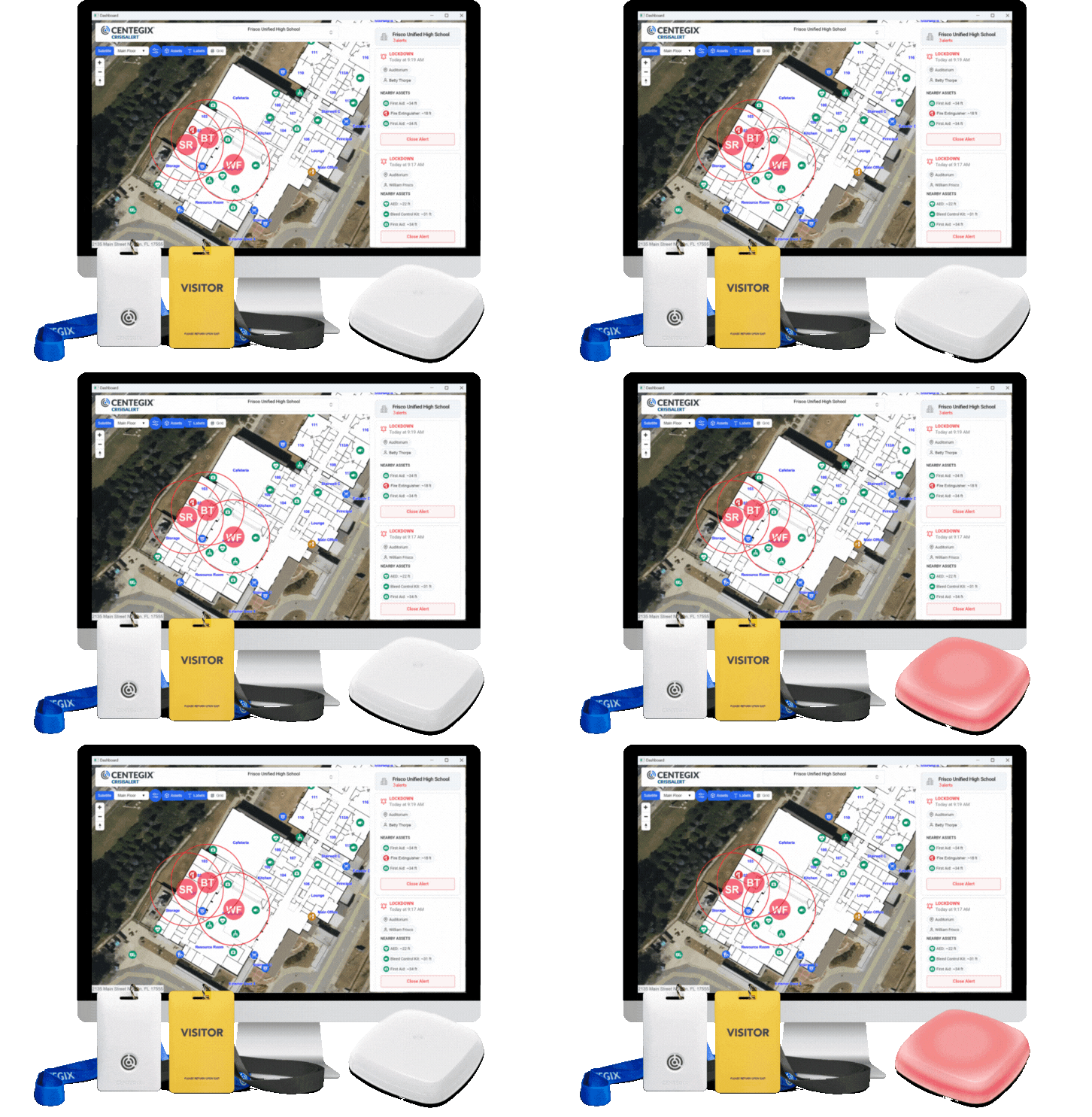
Healthcare staff equipped with a CENTEGIX® wearable duress button can discreetly signal help to their precise location while simultaneously engaging in calming protocols. The wearable badge does not require a phone, an app, or Wi-Fi connectivity to function. Staff members simply press a button, and designated responders receive an alert with precise location information.
This capability is critical: compressing the time between an alert and a response gives onsite teams the opportunity to intervene before a situation escalates into violence. Knowing that backup is moments away provides caregivers with confidence while managing a tense interaction. De-escalation techniques become more effective when the person practicing them feels safe and protected.
Safety Is Confidence
The ongoing nursing shortage compounds the challenge of workplace violence in healthcare. The Bureau of Labor Statistics projects 193,100 openings for registered nurses each year through 2032, and the American Association of Colleges of Nursing (AACN) reports that nursing schools turned away more than 65,000 qualified applicants in 2023 due to capacity constraints. The result is a workforce stretched thin, with more early-career providers joining teams that are already under pressure.
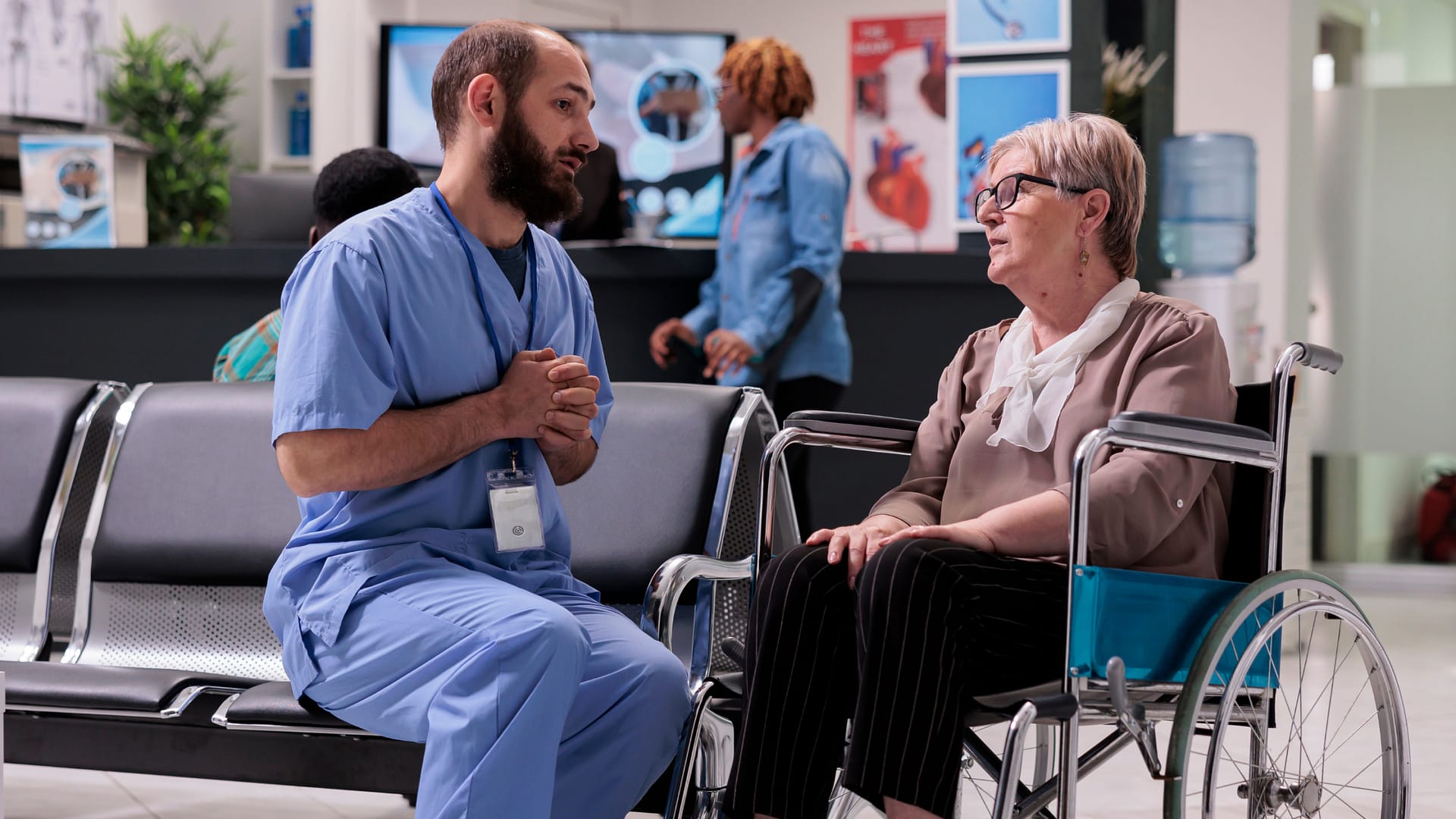
Newer healthcare professionals need time to develop proficiency in conflict resolution and verbal intervention. These skills strengthen with experience, repetition, and mentorship. A layered safety plan gives less experienced providers a critical safety net as they grow. A wearable duress button offers immediate backup, reinforcing the confidence younger staff members need to remain composed during high-stress interactions.
Healthcare organizations that prioritize employee safety also gain an advantage in recruitment and retention. Staff members who feel supported and protected are more likely to remain in their roles, reducing turnover costs and preserving institutional knowledge. Safety is not just a protocol: it is a commitment that builds trust across the organization.
CENTEGIX Safety Platform: Reducing Response Time
The CENTEGIX Safety Platform® is the center of a layered safety plan for healthcare organizations. The platform integrates wearable duress technology, precise location capabilities, digital incident and asset mapping, automated reporting, and visitor management into a single comprehensive system designed to reduce identification, notification, and response time during emergencies.
The platform delivers value across four critical areas:
Speed: Engineered networks that prioritize alerts eliminate delays. Staff can identify an emergency and get help to their location immediately, without depending on Wi-Fi or cellular connectivity.
Clarity: Immediate notifications replace chaos with coordination. Everyone knows what is happening, and responders receive precise information about who needs help and where.
Coverage and Reliability: The platform provides consistent, redundant coverage for every person, in every location, at all times. Patient rooms, emergency bays, hallways, and parking structures all fall within the safety network.
Intelligence: Automated incident reporting captures data from every safety-related event. Healthcare leaders can analyze trends, identify patterns, and make data-driven decisions that strengthen safety protocols over time.
Campus-wide Notifications Empower Employees
Some situations cannot be resolved solely through verbal intervention. Healthcare organizations must prepare for scenarios that require a campus-wide response. The CENTEGIX Safety Platform can be configured to initiate campus-wide alerts that immediately notify organizational leadership, onsite responders, and can streamline communication with 911 dispatch.
Healthcare organizations that partner with local 911 to establish clear protocols and expectations for campus-wide notifications create a safer, more predictable incident response framework. Staff members who understand the notification process and have practiced it during regular drills respond more effectively when a real emergency occurs. Preparedness and de-escalation training work together to build a culture of safety that extends from individual interactions to organization-wide emergencies.
De-escalation and Incident Response Best Practices
A comprehensive approach to healthcare safety combines trained verbal intervention techniques, technology, and organizational support. Healthcare leaders can strengthen their safety plans by adopting several best practices.
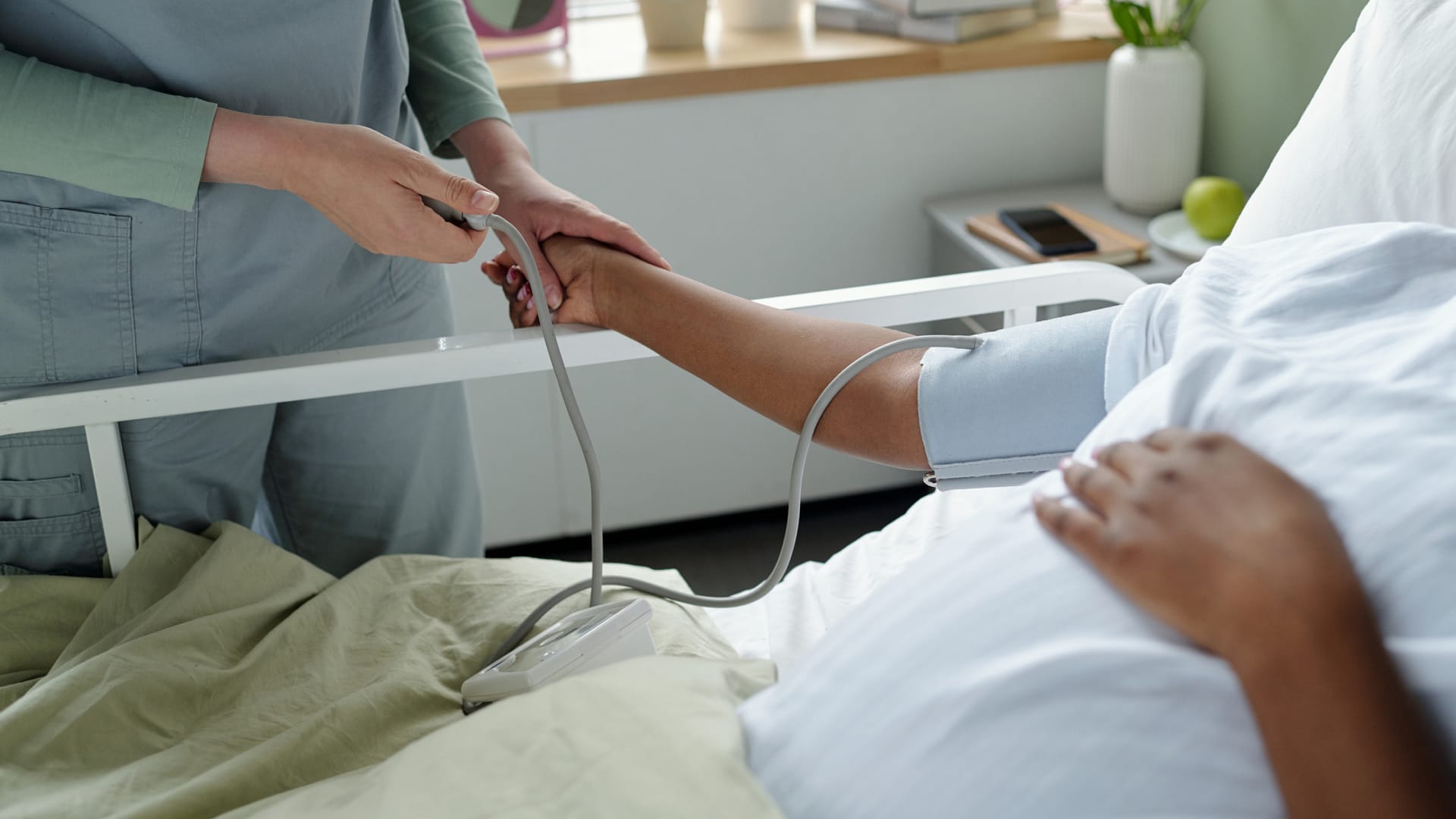
Lead with empathy and practice consistently. Crisis prevention skills require regular reinforcement through training sessions, role-playing exercises, and debriefs following real incidents. Staff members who practice these techniques routinely build the confidence to apply them under pressure.
Empower staff with the right tools. A wearable duress button gives every caregiver the ability to signal for help discreetly and immediately. Staff members who know that help is moments away can focus on calming a situation rather than managing fear.
Lean on the team. Responding to an escalating patient is not a solo effort. Bringing in a second team member, a Behavioral Emergency Response Team (BERT), or additional support can shift the dynamic and offer fresh perspective during a tense encounter.
Plan proactively with data. Accessible, automated incident reporting helps healthcare organizations identify trends and anticipate situations that may lead to violence. Data-driven planning strengthens safety protocols at every level.
A Safer Environment Starts with Preparation
Healthcare organizations committed to de-escalation and rapid emergency response better protect their staff, their patients, and their communities. The CENTEGIX Safety Platform® gives healthcare leaders the tools to reduce response time, replace confusion with coordinated action, and empower every staff member to get help immediately.
EVERY. SECOND. MATTERS.®
Discover how the Safety Platform supports healthcare organizations in building a layered safety plan that complements crisis prevention training and reduces response time for emergencies, from the everyday to the extreme.